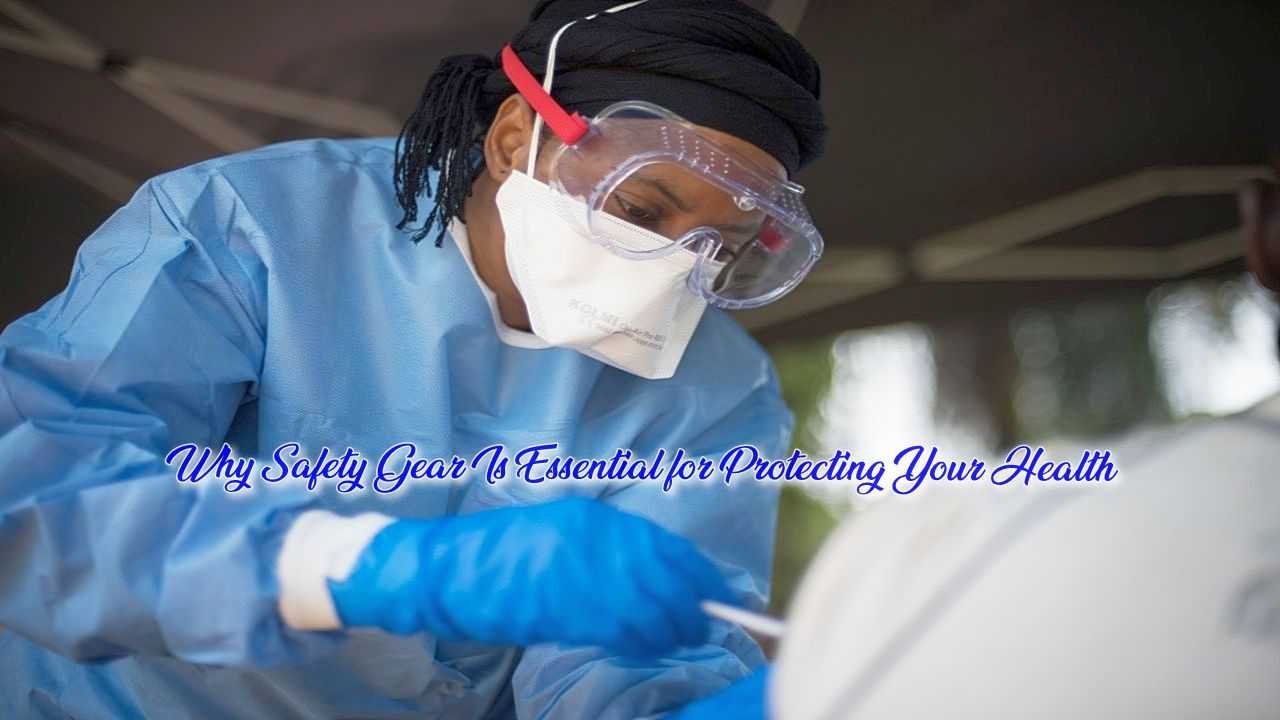
Every day, millions of people step into environments that pose potential hazards, on construction sites, in laboratories, at factories, or even during routine home improvement projects. The risks are varied and sometimes invisible. Chemical exposure, flying debris, loud noises, or airborne particles can have serious consequences on health if proper precautions aren’t taken. That’s where safety gear comes in. It isn’t just a requirement or an afterthought. It’s a frontline defense against preventable injuries and long-term harm.
Wearing the right protective equipment can make the difference between a minor incident and a life-altering injury. From eye protection to reinforced footwear, each piece of gear serves a critical role. When used properly, safety equipment doesn’t just meet regulatory standards, it builds a culture of care, where safety becomes second nature instead of a last resort.
The Role of Personal Protective Equipment in Everyday Risk Prevention
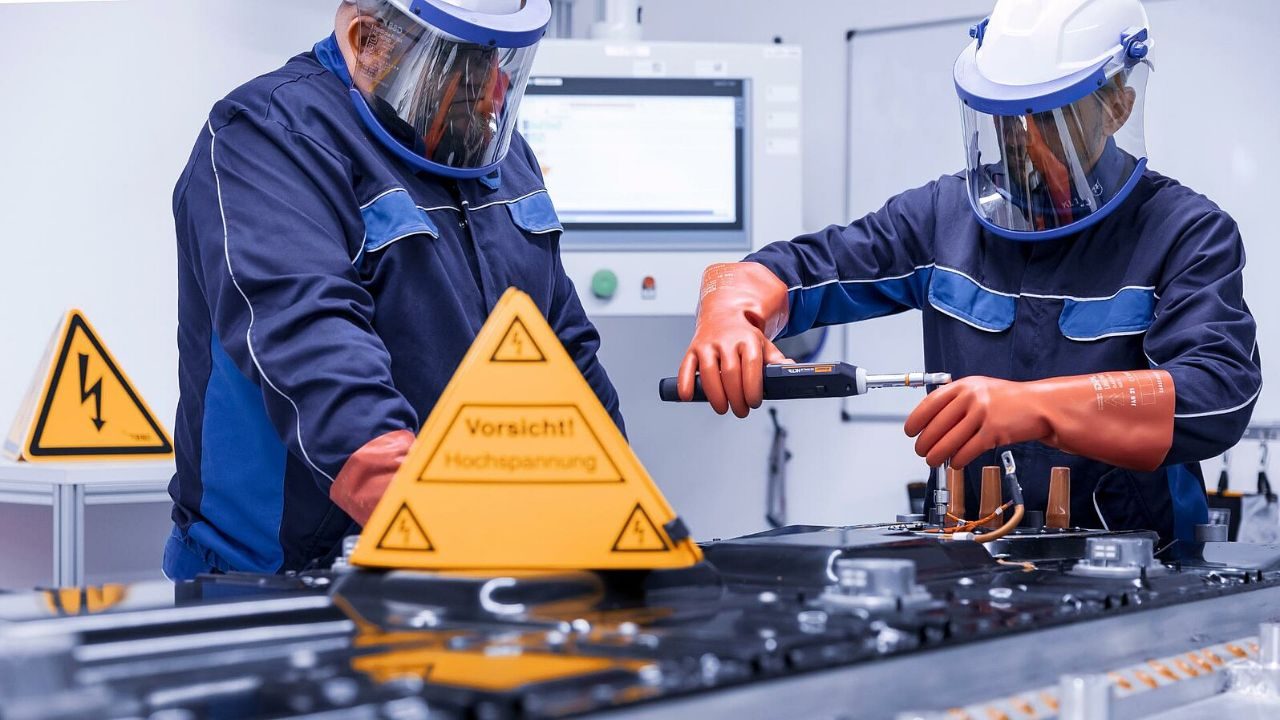
Personal Protective Equipment (PPE) is designed to shield the body from physical, chemical, and biological threats. It’s a category that covers everything from hard hats to respirators. While regulations may require its use, the real benefit is far more personal: staying healthy, injury-free, and capable of working or living fully.
Each type of gear targets a specific kind of risk. Helmets guard against falling objects. Earplugs and earmuffs reduce the danger of long-term hearing loss. Respirators filter harmful airborne contaminants. And gloves, disposable or specialized, can protect the hands from burns, cuts, or chemical reactions. In environments where skin contact with harmful substances is a concern, gloves disposable in nature provide a hygienic and effective solution. They’re especially valuable in healthcare, lab work, and food handling.
The correct application of PPE also goes beyond simply putting it on. It must be fitted properly, maintained regularly, and matched to the task at hand. Equipment that’s too loose, outdated, or incorrectly worn can be just as dangerous as not wearing any protection at all.
Eyes, Ears, and Air: Critical Areas That Need Shielding
When people think about injuries at work or in industrial settings, major accidents often come to mind. But many of the most common health issues develop slowly, caused by repeated exposure to minor hazards. The eyes, ears, and respiratory system are particularly vulnerable. Fine dust, loud noises, chemical fumes, all of these can leave lasting damage.
Eye injuries can result from particles as small as grains of sand or as severe as chemical splashes. Protective eyewear, such as goggles or face shields, is designed to block these threats. But not all eye protection is equal. The level of risk should dictate the choice. For example, standard glasses may suffice in low-risk areas, but full-seal goggles are necessary where splash or gas exposure is likely.
Noise exposure is another often-overlooked threat. Consistent exposure to high-decibel environments can lead to permanent hearing loss. Simple foam earplugs or noise-canceling earmuffs can drastically reduce this risk. Respiratory protection, on the other hand, requires a more tailored approach. Dust masks may work for basic airborne particles, but filters and powered respirators are better for environments with chemical or microbial hazards. The key is assessing the environment and matching the equipment accordingly.
Proper Footwear and Body Protection Prevent Long-Term Damage
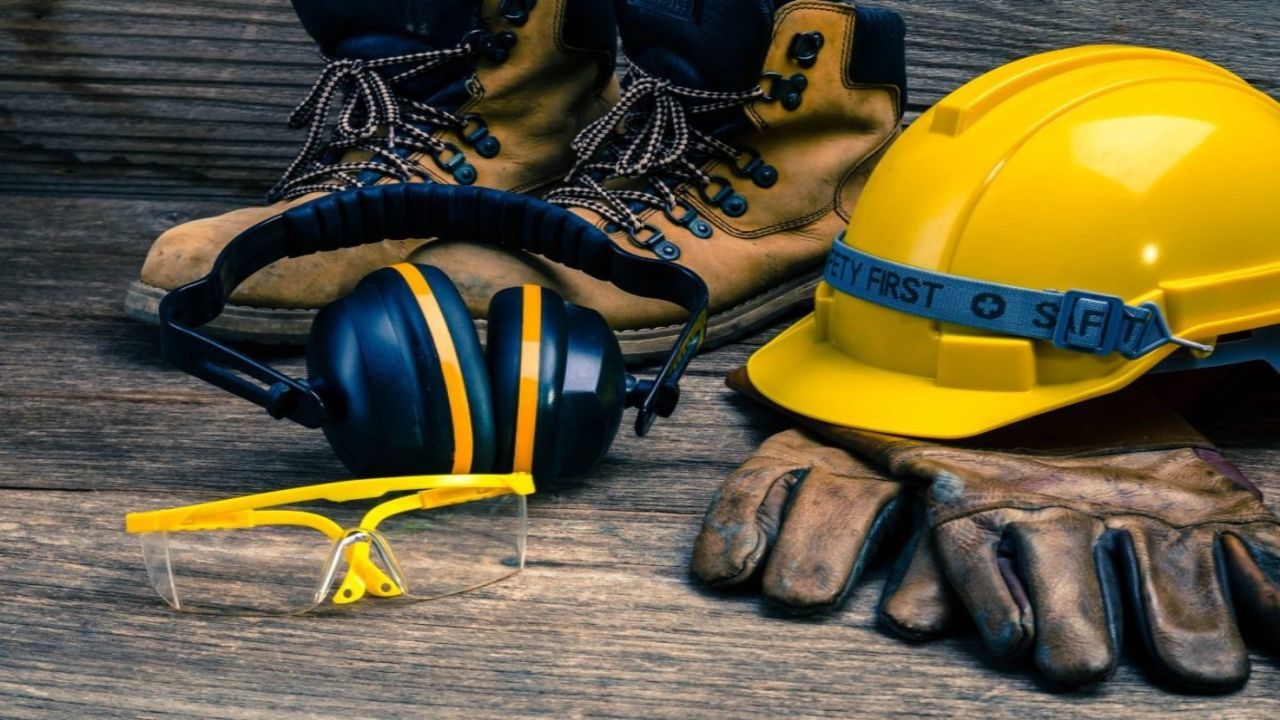
Not all injuries are dramatic. Some wear you down over time. Standing for hours on concrete, lifting heavy loads, or working around corrosive materials can cause chronic pain, mobility issues, or worse. Safety footwear and full-body protection help reduce this strain while also acting as a barrier against physical and chemical harm.
Steel-toe boots, for example, are indispensable in construction or manufacturing. They protect against dropped tools, forklifts, and sharp materials. Beyond the toes, proper soles help absorb shock and provide grip, reducing slips and fatigue. High-quality safety shoes are an investment not just in protection but in long-term comfort and productivity.
Body protection, such as coveralls, aprons, and vests, is equally essential. These garments prevent skin contact with chemicals, sparks, or abrasives. In sectors like welding, flame-resistant fabrics can stop burns before they start. And in food processing or healthcare, disposable gowns maintain cleanliness and hygiene, limiting cross-contamination. The right gear ensures the body is protected from head to toe in any environment where harm might occur.
Safety Gear and Its Impact on Mental Readiness
Physical protection is just one part of the equation. Safety gear also plays a psychological role. Workers and individuals feel more confident and focused when they know they are protected. This state of mental preparedness can significantly reduce errors caused by distraction, discomfort, or fear.
Wearing PPE creates a boundary between the individual and the source of harm. It sends a signal: this task involves risk, and precautions have been taken. That signal prompts a different mindset. People slow down. They assess more carefully. They’re more aware of their surroundings. This heightened sense of alertness leads to fewer mistakes and a stronger culture of caution.
On a broader level, when safety gear is consistently worn and visibly prioritized, it builds trust. New employees follow suit. Management reinforces the message. And customers or clients see a company that values health and responsibility. This ripple effect transforms safety from a box-ticking activity into a shared responsibility.
Misuse and Complacency: The Hidden Dangers
Not all PPE use is effective. Sometimes it’s used incorrectly. Other times, people stop using it altogether after long periods without visible incidents. Both scenarios carry real danger. Complacency and misuse often result from lack of training, poor supervision, or the false belief that hazards are rare or avoidable by skill alone.
A common issue is selecting the wrong type of gear. Using safety glasses in a chemical lab where goggles are needed. Wearing construction gloves when precision nitrile gloves are more appropriate. Even worse, not wearing any equipment because “it’ll only take a second.” Shortcuts like these erode the protective value of PPE and set unsafe precedents.
Regular training and gear inspections are essential to counter these risks. Workers should know when to wear what, how to wear it correctly, and why it matters. Supervisors must lead by example and hold teams accountable. And organizations should treat PPE as a system, not a checklist, with clear standards, consistent maintenance, and ongoing evaluation.
Moving Toward a Culture of Prevention
Safety gear cannot eliminate every risk, but it drastically reduces the chances of injury and illness when used appropriately. It forms the basis of a proactive approach, one that values prevention over reaction. Instead of waiting for something to go wrong, businesses and individuals can shape environments where harm is anticipated and addressed ahead of time.
This shift starts with mindset. When people see safety gear not as a burden but as a tool of empowerment, behavior changes. Compliance improves. Incidents decline. Recovery times shorten. And most importantly, lives are protected. In the long run, this approach saves time, money, and pain, not just for businesses, but for every individual who chooses to protect their health as a priority.
Choosing the right gear, using it consistently, and treating it as part of a larger safety strategy isn’t just good practice, it’s a responsible and practical investment in well-being. Every glove, helmet, and respirator has a job. And every job done safely makes a difference.