In today’s tech-filled homes, convenience often comes in small details, like flexible extension cords that make everyday device use easier. For example, the 360 Rotating Plug Extension Cord by “Maximm Cable” is a popular choice for home setups, thanks to its space-saving design and multi-angle flexibility. While such cords are ideal for powering general electronics around the house, the question arises: Are they safe to use with medical equipment? Before connecting any medical device to an extension cord, it’s essential to understand the risks, regulations, and best practices involved.
Why Medical Equipment Needs Special Consideration
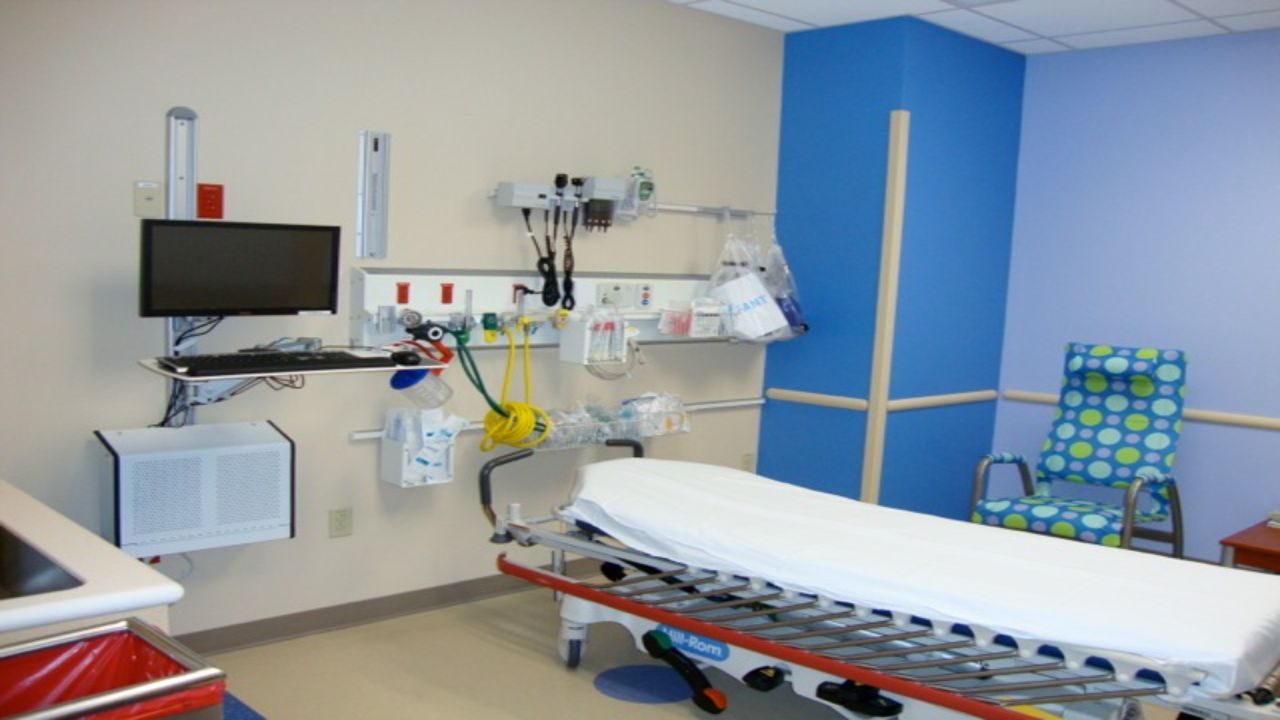
Medical devices, such as oxygen concentrators, CPAP machines, infusion pumps, defibrillators, and patient monitors, are not your everyday electronics. These devices often support or sustain life, making them mission-critical. Interruptions in power or fluctuations in electrical current can lead to device failure or incorrect operation, which could put a patient’s health at serious risk.
That’s why medical equipment is regulated by agencies such as the FDA in the United States, and international standards like IEC 60601. These standards not only cover how the equipment is designed and manufactured, but also how it is powered and maintained.
Risks of Using Standard Extension Cords
Using regular extension cords, including rotating plug types, for medical equipment poses several risks:
Voltage Drops and Power Loss: Extension cords can cause voltage drops, especially over long distances, which can affect device performance.
Overheating and Fire Risk: Medical devices often draw a lot of power. A standard extension cord might not be rated to handle the load, resulting in overheating or even electrical fires.
Tripping Hazards: Poorly placed cords can lead to physical accidents, especially in environments with limited mobility patients.
Non-Compliance with Regulations: Many medical facilities explicitly prohibit the use of extension cords with medical devices to ensure adherence to safety standards and codes like NFPA 99 and OSHA.
Are There Exceptions?
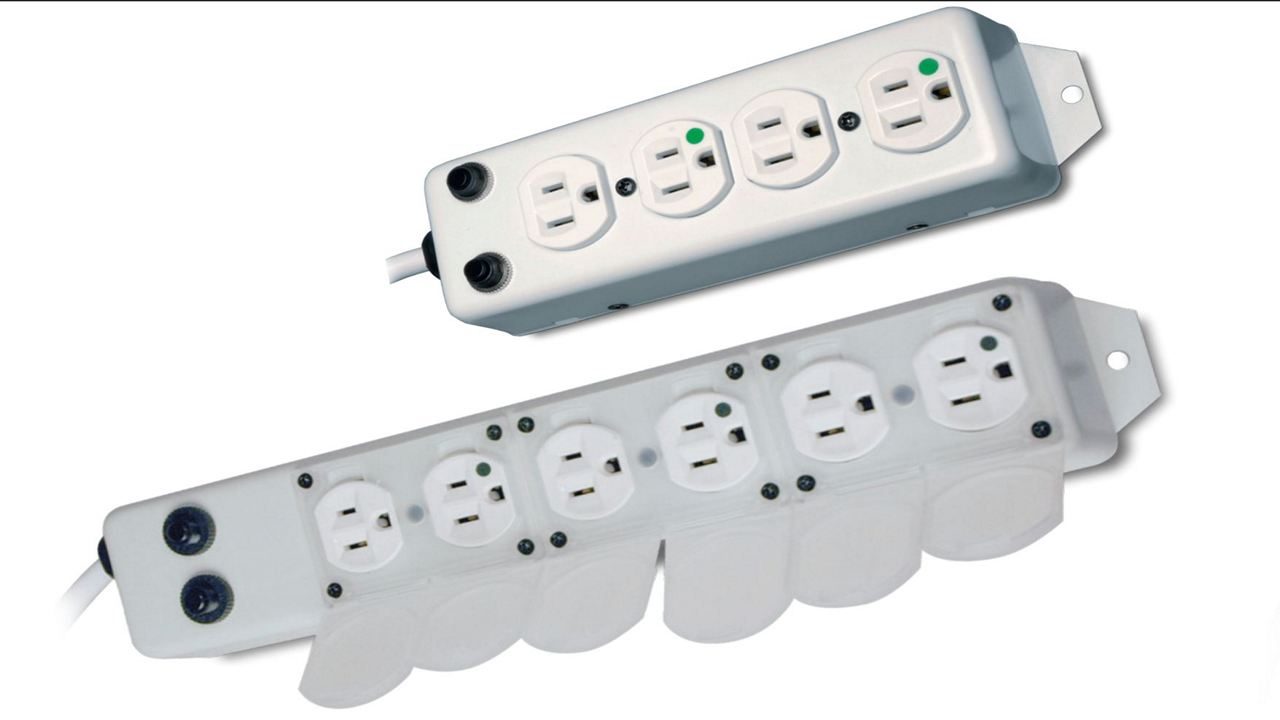
Yes, but they are few and highly regulated. In professional settings, only hospital-grade power strips and extension cords that meet UL 1363A or UL 60601-1 standards may be used, and even then, only after approval from safety officers or biomedical engineers.
For home healthcare environments, exceptions can be made, but only if the extension cord is:
Hospital-grade and surge-protected
Rated for medical use
Capable of handling the power draw
Approved by a healthcare provider or equipment manufacturer
In this case, the cord must have built-in overload protection and be placed in a secure, unobtrusive location to reduce risks.
Alternatives to Using Extension Cords
Instead of using standard extension cords, here are safer options:
Install Additional Wall Outlets: This is the most secure and permanent solution.
Use Hospital-Grade Power Strips: Only if permitted by facility regulations.
Use Equipment with Battery Backup: This ensures continuous operation even in case of power fluctuations or outages.
Medical-Grade Extension Cords: Only those specifically certified for use with medical devices.
Final Verdict: Should You Use an Extension Cord?
In most cases, you should not use standard plug extensions with medical equipment. The stakes are simply too high. Devices that support life or provide critical care need a consistent and safe power source. Unless the extension cord is hospital-grade and explicitly approved, using it introduces unnecessary risk.
If you absolutely must use one, for example, in a home care scenario, consult your healthcare provider or equipment manufacturer first. While the 360 Rotating Plug Extension Cord by Maximm Cable is an excellent product for general use due to its flexibility and compact design, it is not intended for medical equipment use unless it meets specific safety certifications.