The decision of where to live is usually framed around budget, job proximity, or school quality. But a growing body of evidence points to something more fundamental: the physical environment you inhabit daily has measurable effects on your body and mind. From the air above your neighborhood to the ease of reaching a good doctor, location is a health variable that most people underestimate. Luxury real estate agencies such as Berkshire Hathaway in San Miguel de Allende are seeing a noticeable shift: buyers increasingly ask about air quality, altitude, and walkability before they ask about square footage or neighborhood schools. That shift reflects something real, a growing awareness that the physical context of your life has compounding effects over decades.
The question of what makes a location attractive for property investment has traditionally centered on economic indicators: market appreciation rates, vacancy rates, cap returns. But long-term residents and retirees often weigh the same question through a different filter.
A location that scores well on price may impose hidden costs through pollution, social isolation, or poor infrastructure for staying active. Health-conscious buyers are increasingly treating livability and well-being indicators as primary criteria, not optional extras. That makes the decision of where to live one of the most consequential health choices a person can make, and one of the least examined.
Air Quality and Altitude: The Variables No One Talks About

Air quality is the most direct environmental input your body receives daily, yet most relocation checklists never mention it. Ozone levels, particulate matter, and humidity all affect respiratory function, and chronic low-level exposure to polluted air is linked to cardiovascular inflammation, cognitive decline, and accelerated aging of the lungs. Cities at higher altitude tend to have lower particulate matter but thinner oxygen, which affects people differently depending on their baseline cardiovascular health.
San Miguel de Allende sits at roughly 1,900 meters above sea level, high enough that new arrivals often notice mild fatigue for the first week or two. For most people, the body acclimatizes fully within a month, and many longtime residents find the dry, clear air preferable to the thick pollution of lower-elevation cities. The consistent sunshine and low humidity also reduce mold exposure, a genuine concern in wetter climates. If you have a respiratory condition, altitude is a real variable to evaluate with your doctor before committing to any high-elevation location.
The U.S. EPA tracks air quality data by county and metropolitan area, but those averages can obscure hyper-local differences. A home near a major highway sits in a different air environment than a house three miles away in the same city. Checking neighborhood-level air quality data before buying is a low-effort step that most buyers skip entirely.
Community and Social Connection

Social isolation is a stronger predictor of premature death than smoking 15 cigarettes a day, and the physiological effects of chronic loneliness on immune function, cortisol levels, and cardiovascular health are well-documented. The social texture of a place is a direct health input, not just a quality-of-life preference.
Walkable neighborhoods with accessible common spaces, local markets, and community events produce more incidental social interaction. Expat communities in cities like San Miguel de Allende have developed dense social infrastructure: language exchange groups, volunteer organizations, cooking classes, and art communities that create ongoing contact between neighbors. These are the kind of casual, repeated human interactions that research shows is most protective against isolation. Smaller cities and towns often outperform major metros on this dimension despite having fewer cultural institutions.
Evaluating a neighborhood’s social life before moving matters as much as evaluating its school ratings. Walking the streets at different hours, attending a local event, and talking to people who already live there tells you more than any map overlay or neighborhood score application.
Access to Healthcare and Medical Resources
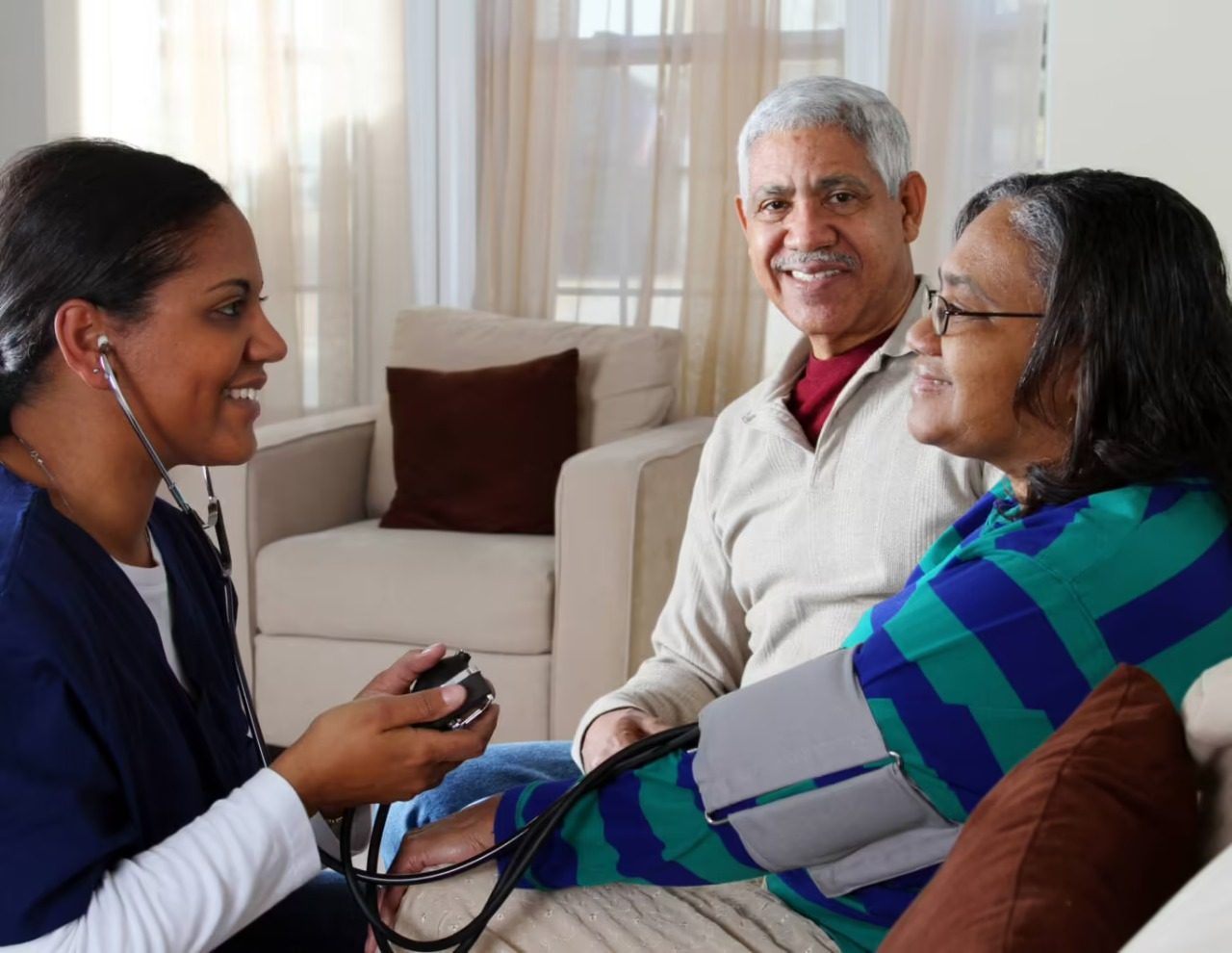
Healthcare access breaks down into two distinct layers: emergency access (how fast you can get to a hospital) and ongoing access (can you reliably see a GP, specialist, or dentist without significant delay or cost). These two factors often point in opposite directions. Remote scenic areas frequently have long emergency transport times but low medical costs; dense urban centers have hospitals nearby but appointment waits measured in months.
San Miguel de Allende has a range of both public and private healthcare facilities. The private hospital system in Mexico runs at a fraction of U.S. costs for most procedures, and quality at accredited facilities is comparable for routine and elective care. Many expats maintain a combination of travel insurance and local private care. According to CDC’s neighborhood and built environment research, proximity to healthcare services is one of the most direct environmental factors affecting long-term health outcomes for residents.
The mistake most buyers make is checking hospital proximity but skipping care continuity: whether they can find a reliable general practitioner, a dentist with modern equipment, or a pharmacy that stocks specific medications.
Physical Activity and the Built Environment
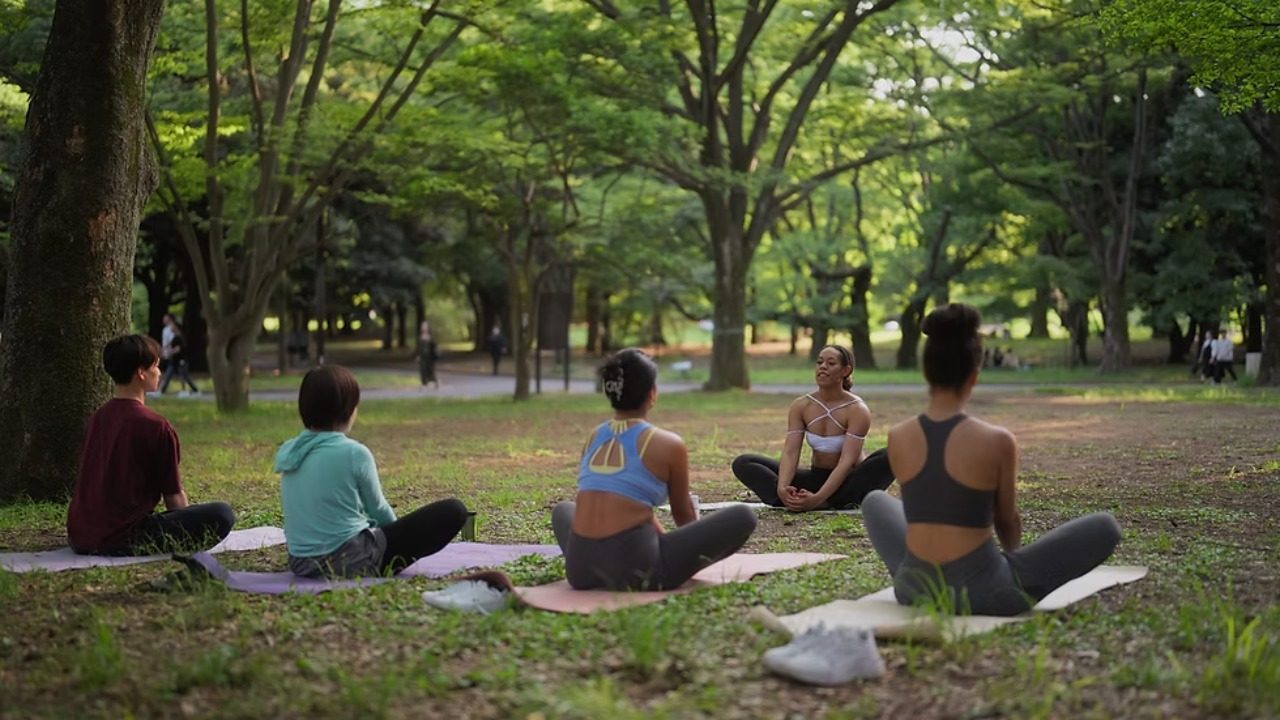
Sedentary behavior is the dominant lifestyle disease driver in wealthy countries, and where you live either actively supports or actively undermines daily movement. A car-dependent suburb where every errand requires driving is a structurally different health environment from a walkable city where you accumulate steps incidentally just going about your day.
Research published in the American Journal of Public Health has examined how neighborhood characteristics directly influence residents’ ability to maintain physical activity, with walkable design, green space access, and mixed-use zoning showing the strongest positive correlations. San Miguel de Allende has a traditional cobblestone street grid that is, by design, a walking city. The historic center is compact enough that most daily needs fall within a 15-minute walk, and parks and plazas are distributed throughout the neighborhoods.
The trade-off is that cobblestones and hilly terrain make the city difficult for anyone with mobility limitations. Spending several days on foot at different times of day gives a more accurate read of whether the terrain actually suits your physical condition.
Financial Stress and Mental Well-Being

The relationship between financial pressure and health is more direct than most people account for. Chronic financial stress suppresses immune function, disrupts sleep architecture, and elevates inflammation markers. Living somewhere that costs more than it should relative to your income is not just a budget problem; it is a physiological one.
Many health-conscious buyers relocating internationally find that their same purchasing power produces a meaningfully different baseline. Groceries, domestic help, restaurants, and utilities often run at a fraction of the cost in cities like San Miguel de Allende compared to equivalent comfort in the U.S. or Northern Europe. The result isn’t just more money in the bank; it’s a different stress level. People report sleeping better, exercising more, and socializing more when they aren’t carrying the financial load of an expensive city. Those effects compound over years, and they show up in measurable health outcomes.
The flip side is that moving to a lower-cost location introduces its own stressors: navigating foreign bureaucracy, dealing with inconsistent infrastructure, and building a social network from scratch. The healthiest relocations are ones where people go in clear-eyed about those trade-offs rather than assuming lower cost automatically means lower stress.