Obsessive-Compulsive Disorder (OCD) affects millions of people worldwide, causing distressing obsessions and compulsions. These symptoms can interfere with daily life, making it essential to find effective treatment options. Fortunately, there are several well-established methods to help those struggling with OCD. This article explores the main approaches to treating this challenging condition.
Cognitive Behavioral Therapy (CBT)

Cognitive Behavioral Therapy, particularly a subtype called Exposure and Response Prevention (ERP), is one of the most effective treatments for OCD. In this subtype of OCD therapy, individuals face their fears (exposure) without performing their usual compulsive behaviors (response prevention). Over time, this helps reduce the anxiety associated with their obsessions. For instance, someone who fears contamination might be gradually exposed to dirt without being allowed to wash their hands immediately. This process can be challenging but often leads to significant improvement in symptoms.
Medications
Medications also play a vital role in managing OCD. Selective Serotonin Reuptake Inhibitors (SSRIs) are commonly prescribed and can help reduce the intensity of obsessions and compulsions. These medications work by increasing the levels of serotonin in the brain, which can improve mood and reduce anxiety. It’s important to note that it may take several weeks to notice the benefits of SSRIs. In some cases, doctors might prescribe other types of medications if SSRIs are not effective. You can find more information about different medication options on the Luna Joy website.
Combination Therapy

For many people, a combination of CBT and medication provides the best results. While CBT helps individuals develop coping strategies and reduce compulsive behaviors, medications can offer relief from severe anxiety and depression, making it easier to engage in therapy. Regular follow-up with healthcare providers ensures that the treatment plan remains effective and adjustments are made as needed. This combined approach can lead to more comprehensive and sustained improvement.
Support Groups and Self-Help
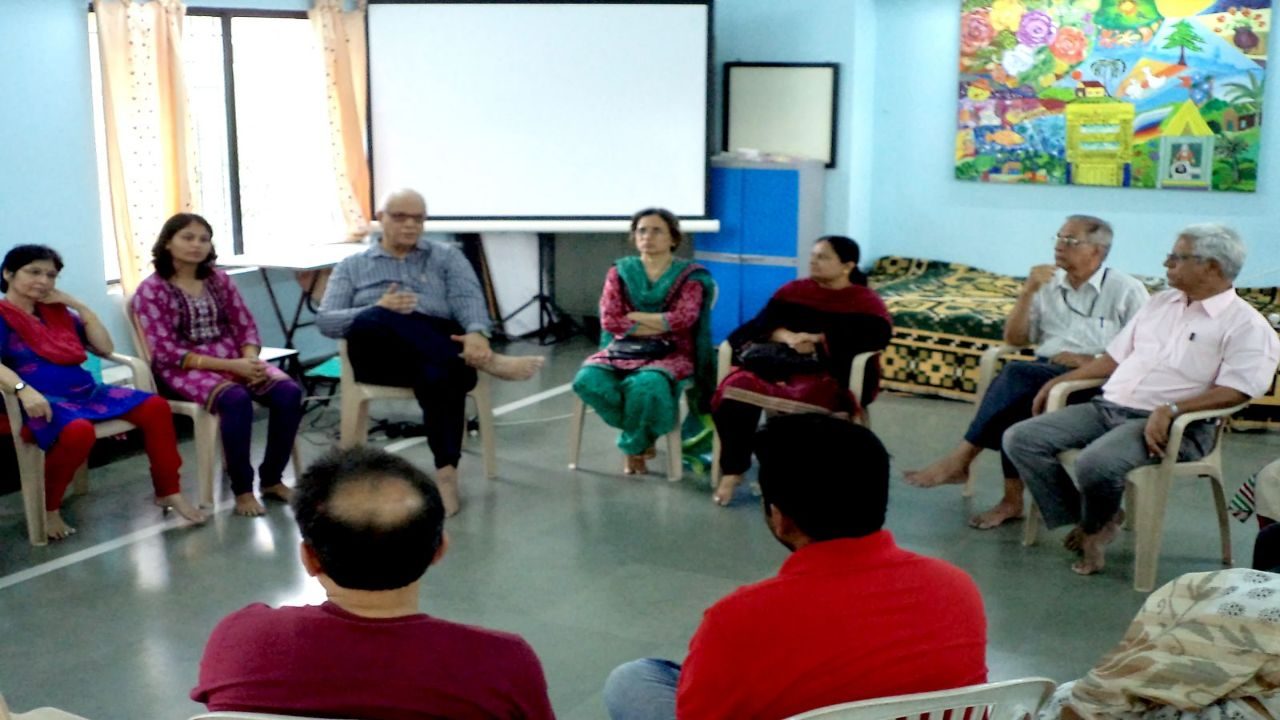
Support groups offer a valuable resource for individuals with OCD and their families. These groups provide a space to share experiences, offer mutual support, and learn coping strategies from others who understand what they are going through. Many find comfort in knowing they are not alone in their struggles. Additionally, self-help books and online resources can provide practical advice and techniques to manage symptoms. Engaging in these resources can complement professional treatment and enhance overall well-being.
Lifestyle Changes and Stress Management
Certain lifestyle changes can support recovery from OCD in addition to formal treatments. Regular exercise, a healthy diet, and sufficient sleep contribute to overall mental health. Stress management techniques, such as mindfulness meditation, yoga, or deep breathing exercises, can also help reduce anxiety. Developing a structured daily routine can provide a sense of stability and predictability, which can be particularly beneficial for those with OCD. Engaging in hobbies and activities that bring joy and relaxation also helps improve the quality of life.
Treating OCD often requires a multifaceted approach, combining therapy, medication, support systems, and lifestyle adjustments. Cognitive Behavioral Therapy, especially ERP, is highly effective, while medications can alleviate severe symptoms. Support groups and self-help resources offer additional support, and healthy lifestyle choices contribute to overall mental health. With the right combination of treatments and support, individuals with OCD can manage their symptoms and lead fulfilling lives.