
Skin changes rarely announce themselves with a clear warning. A spot darkens. A rash lingers. A “new normal” texture shows up after a stressful season. Many people wait until something feels urgent. That delay can turn a simple fix into a long, frustrating cycle.
Regular checkups with a board certified dermatologist work like preventive maintenance for the body’s largest organ. For patients who want structured, expert guidance, clinics such as Lumine Dermatology in Singapore have helped normalize the idea of seeing a dermatologist regularly as part of a modern health routine, similar to dental cleanings or annual physicals.
Earlier Detection of Skin Cancer and Precancerous Changes

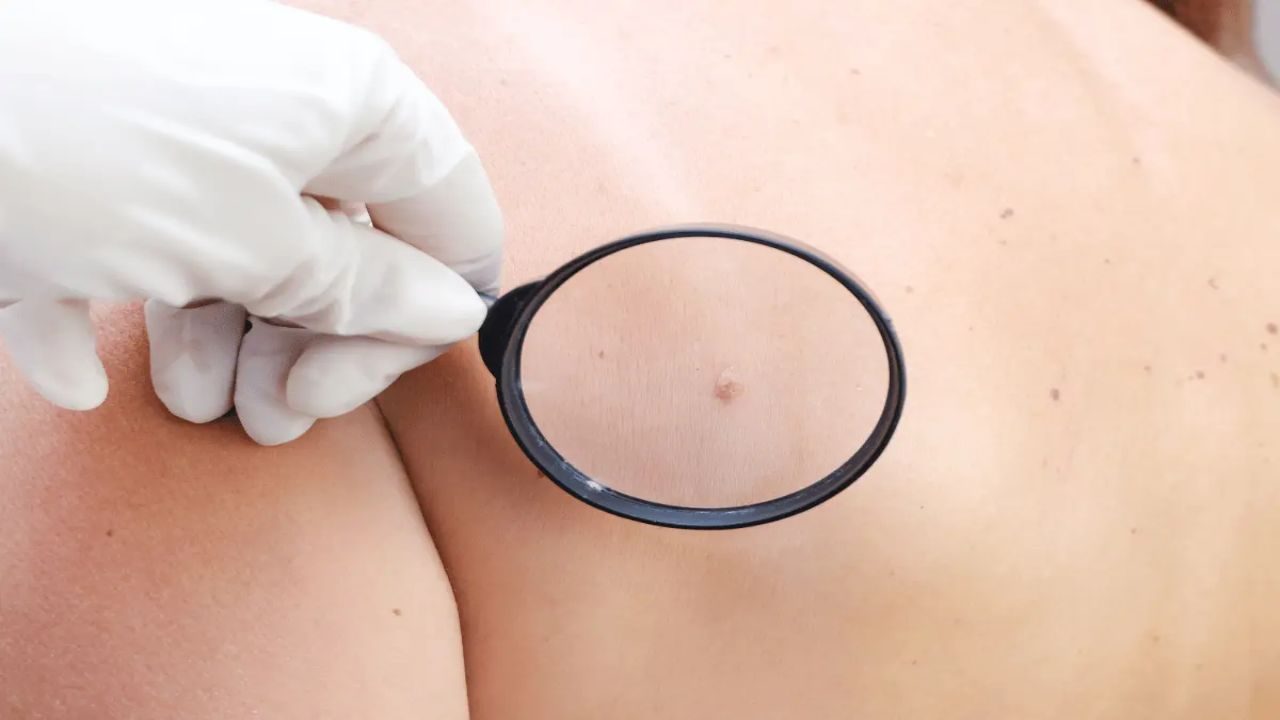
A dermatologist does more than glance at a mole. They evaluate color variation, border shape, symmetry, and subtle pattern changes that most people miss in a mirror. They also check areas you cannot easily see, like the scalp, behind the ears, the back, and between toes. Catching suspicious lesions early can mean a smaller procedure, less scarring, and a simpler recovery.
Regular visits also build a visual “baseline” for your skin. When a clinician has prior notes and photos, small shifts become easier to spot. That matters for slow moving cancers and for precancerous growths that look harmless at first. Early care can prevent a lesion from progressing and can reduce the need for more extensive treatment later.
These exams are also a chance to learn smart self checks. A dermatologist can show you what to monitor, how often to look, and which changes deserve a call. Patients leave with clearer criteria, not vague anxiety. That confidence alone can change how quickly someone seeks care.
Better Management of Chronic Skin Conditions
Chronic conditions like eczema, psoriasis, rosacea, hidradenitis suppurativa, and chronic acne often flare in patterns. Triggers include weather shifts, stress, sweat, skincare products, hormones, and certain medications. A dermatologist helps connect symptoms to triggers and then adjusts treatment based on real response, not guesswork.
When care is consistent, treatment becomes more precise. A clinician can step therapies up or down at the right time, reduce side effects, and set realistic timelines. That prevents the common cycle of over treating during a flare and under treating once symptoms calm down. It also keeps the skin barrier stronger, which reduces future flare intensity.
Regular follow ups can also limit “treatment fatigue.” Many people stop too early or jump between products when results are not instant. A dermatologist can simplify the plan, explain what improvement should look like, and keep the routine practical. The goal is steadier control with fewer surprises.
Safer Use of Prescription Treatments and Procedures

Skin care often involves powerful tools, from topical retinoids and antibiotics to immunomodulators, steroids, and oral medications. These treatments can transform skin health, but they require correct dosing, smart timing, and monitoring. Regular visits create a safety net, especially for people using long term therapy.
A dermatologist can spot side effects early. They can adjust potency, change the application schedule, or add supportive products before irritation becomes a full blown dermatitis. For oral medications, they can review interactions, lab monitoring needs, and risk factors tied to pregnancy, liver health, or other conditions. This kind of oversight protects both skin and overall health.
Procedures also benefit from continuity. If you do chemical peels, laser sessions, microneedling, cryotherapy, or injectables, a clinician who knows your history can plan spacing, reduce complication risk, and tailor aftercare. Results look more natural when treatment decisions follow a long view, not a one time appointment.
Personalized Prevention for Aging, Sun Damage, and Pigment Issues
A dermatologist can separate normal aging from avoidable damage. Fine lines, rough texture, uneven tone, and sun spots often share a common driver: cumulative UV exposure plus a weakened skin barrier. Regular checkups help you build a prevention plan that matches your lifestyle, skin type, and tolerance level.
This is where personalization matters most. Two people can use the same sunscreen and get very different outcomes due to application habits, product choice, reapplication timing, and daily sun exposure. A dermatologist can correct common mistakes, recommend actives that fit your skin, and map a routine that you can actually follow. Consistency beats complexity every time.
Pigment issues also need expert strategy. Melasma, post inflammatory hyperpigmentation, and sun lentigines can worsen with the wrong product or aggressive treatments. A dermatologist can choose safer brightening options, control inflammation first, and avoid triggers that cause rebound darkening. Over time, that means a clearer tone with less irritation.
Support for Whole Body Health Clues That Show on the Skin
The skin can reflect internal health. Sudden rashes, unusual bruising, changes in hair or nails, and persistent itching can link to allergies, infections, endocrine issues, nutritional gaps, autoimmune disease, or medication reactions. A dermatologist is trained to recognize patterns that suggest something bigger than a surface problem.
Regular visits can speed up referrals and lab work when needed. If a clinician suspects an underlying condition, they can coordinate with primary care or specialists sooner. That can shorten the path to answers, especially when symptoms are subtle and scattered. Many patients spend months treating “just skin” when the real driver sits elsewhere.
Even when the cause stays dermatologic, the impact goes beyond appearance. Sleep disruption from itching, pain from inflamed lesions, and embarrassment from visible flares can affect mood, work performance, and social comfort. A dermatologist can address the medical issue and the quality of life impact at the same time.
Long Term Confidence Through a Skin Health Partnership
Regular checkups create a relationship built on context. Your dermatologist learns how your skin reacts, which products cause trouble, and what outcomes you value. Over time, appointments become more efficient because the clinician is not starting from zero. That continuity improves decision making and reduces trial and error.
This partnership also helps patients avoid misinformation. Trends move fast, and online advice rarely accounts for skin type, medical history, or concurrent treatments. A dermatologist can translate popular ingredients and viral routines into a plan that is safe for you. They can also tell you what to skip, which saves money and protects the skin barrier.
The biggest benefit might be peace of mind. When you know a professional has checked your skin, reviewed your risks, and adjusted your plan, daily care feels simpler. You stop reacting to every new bump or patch with panic. You respond with clarity, a plan, and the right next step.