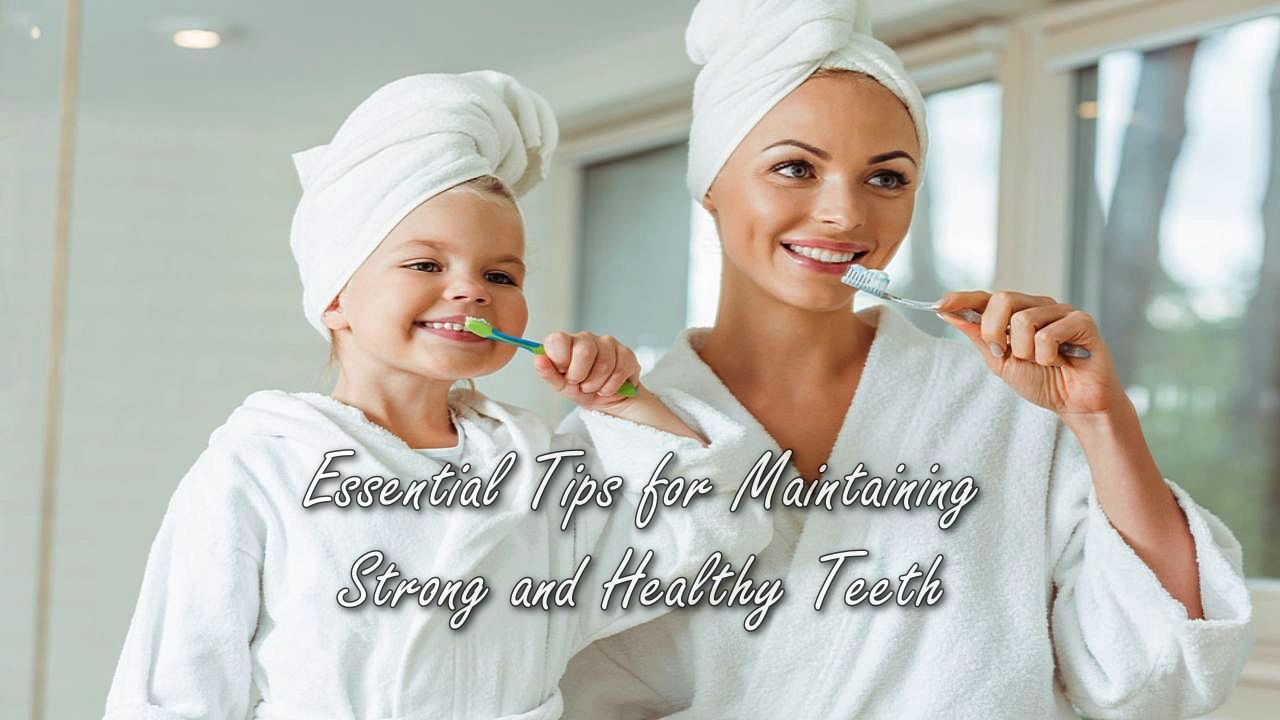
A strong smile does not happen by accident. It comes from a series of small, consistent decisions made every single day. Tooth enamel is the hardest substance in the body, yet it can still wear down through acid, plaque, and poor habits. When that happens, problems such as sensitivity, cavities, and gum disease follow, often slowly and quietly. The good news is that the right routine can protect your teeth for decades and keep your smile comfortable, functional, and confident.
Modern dentistry offers powerful tools, but daily care at home still does most of the heavy lifting. Clinics like Orto Nova help patients correct complex issues and refine treatment plans, but long term success depends on what happens in your bathroom morning and night. With a few evidence-based habits and clear priorities, you can keep enamel strong, protect the gums that support your teeth, and reduce the need for major dental work in the future.
Daily Brushing That Truly Protects Enamel
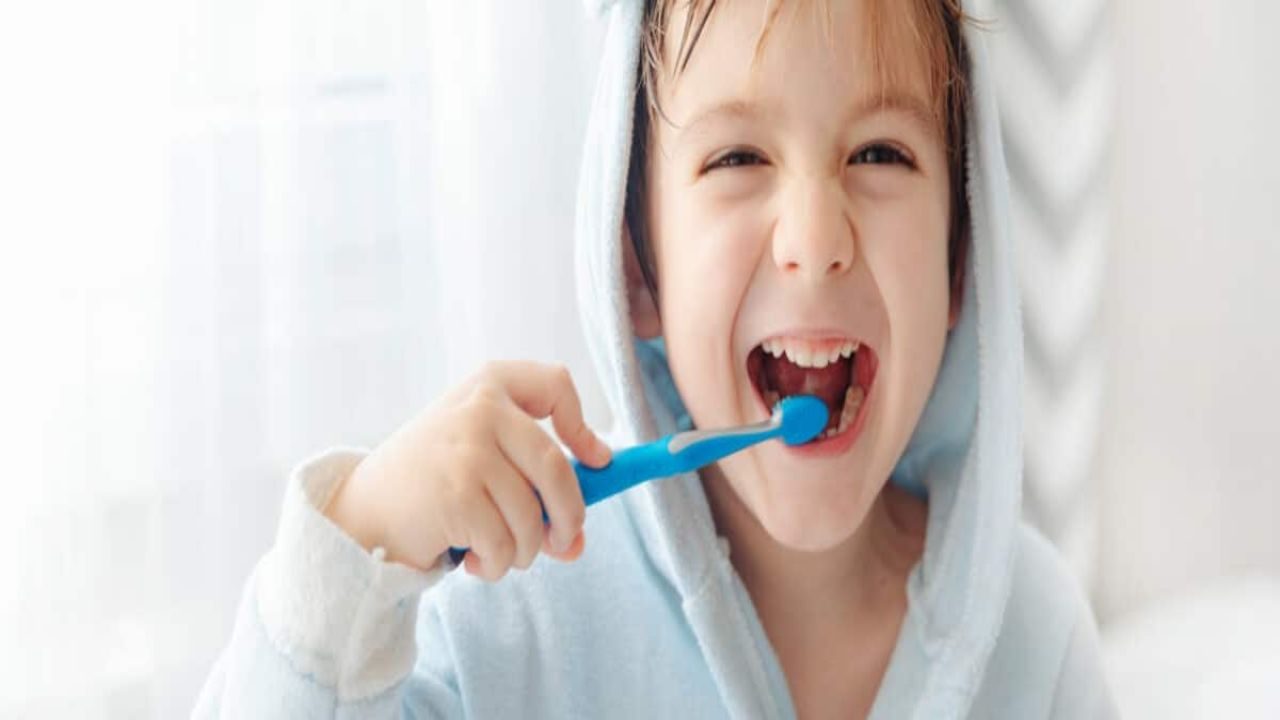
Brushing twice a day still forms the foundation of dental care, but technique matters as much as frequency. Many people scrub back and forth with stiff bristles and a lot of pressure. This can gradually wear away enamel at the gumline and irritate delicate tissues. A soft-bristled brush held at a 45 degree angle to the gums, with small, gentle strokes, cleans plaque without scraping the tooth surface. Aim for two full minutes and pay attention to the inner surfaces of teeth, not only the front.
Toothpaste choice also plays a bigger role than many realize. Fluoride strengthens enamel by helping it remineralize after acid attacks from food and drink. Pick a fluoride toothpaste designed for your needs, such as anti cavity formulas, sensitivity relief, or gum health support. Use a pea sized amount and do not rinse aggressively afterward. Spitting out the excess foam and leaving a thin layer of paste on your teeth allows fluoride to keep working a little longer.
Timing makes a difference too. If you have consumed acidic drinks such as soda, sparkling water with flavorings, or fruit juice, enamel temporarily softens. Brushing immediately can push acid deeper into the surface. Rinsing with water and waiting at least 20 to 30 minutes gives saliva time to neutralize acids and start early repair. Then brushing becomes protective instead of abrasive.
Flossing and Cleaning Between Teeth
Plaque does not form only on the front of teeth. It also collects in the narrow spaces between them, right where toothbrush bristles rarely reach. Those tight areas trap food particles and bacteria, which easily lead to cavities on the side surfaces and to inflamed gums. Once gums stay inflamed for a long time, bone loss can begin and teeth may loosen over the years. Interdental cleaning prevents that process before it starts.
Traditional floss works well when used correctly. Wrap it around each tooth in a C shape and slide gently under the gumline, then move up and down against the surface. The goal is to wipe away the sticky film that forms on teeth, not to snap the floss into the gums. For people with braces, bridges, or tight contacts, threaded floss or floss picks can help. Others may find that small interdental brushes fit more comfortably and clean more thoroughly between larger gaps.
Consistency matters more than the specific tool. Flossing once a day at night, before brushing, removes plaque from spaces so fluoride in toothpaste can reach those areas. If you struggle to build the habit, connect it to something you already do every evening, such as skin care or making tea. A simple routine that you can follow every day always beats a perfect technique that only happens occasionally.
Smart Food and Drink Choices for Strong Teeth

Teeth sit inside the mouth all day, surrounded by food, drink, and bacteria. Every snack and sip influences the balance between demineralization and repair. Frequent sugar intake feeds oral bacteria, which then produce acids that soften enamel. Sticky sweets cling to grooves and between teeth, so the acid attack lasts longer. Instead of snacking on candy or sweetened dried fruit through the day, limit treats to mealtimes and rinse with water afterward.
Acidic drinks pose another challenge. Soda, energy drinks, citrus juices, and even some flavored waters can erode enamel over time. You do not need to remove these completely in every case, but cutting back helps a lot. Drinking through a straw, finishing a drink in a shorter period instead of sipping for hours, and following with water can reduce contact with teeth. Choosing plain water or milk for most of the day protects enamel and supports saliva production.
Diet also supports tooth health through minerals and vitamins. Calcium and phosphorus help rebuild enamel, while vitamin D aids absorption of calcium. Foods such as dairy products, leafy greens, nuts, eggs, and fish contribute to a mouth friendly diet. Crunchy fruits and vegetables like apples, carrots, and celery stimulate saliva and offer a mild scrubbing effect on tooth surfaces. Over time, these choices create a mouth environment that favors strong, resilient teeth.
Professional Checkups and Preventive Treatments
Even with excellent home care, plaque and tartar still accumulate in hard to reach spots. Regular dental visits remove those deposits and reveal early changes before pain appears. Most adults do well with a checkup and cleaning every six months, although some need more frequent appointments if they have a history of gum disease, rapid tartar formation, or many previous restorations. These visits protect both teeth and gums, and they give you a chance to refine your routine with personalized advice.
X rays play an important role in prevention. Cavities often begin between teeth or under old fillings where the eye cannot see them. Bitewing radiographs show these hidden areas so your dentist can treat small lesions with conservative fillings rather than waiting for larger decay that might require crowns or root canal therapy. Regular imaging, taken at intervals based on your risk, helps maintain teeth in their natural state for as long as possible.
Modern preventive treatments add another layer of protection. Fluoride varnishes or gels applied in the office reinforce enamel and can reduce sensitivity. Sealants placed in the deep grooves of molars block food and bacteria from settling there, which greatly lowers cavity risk for children and even some adults. Custom night guards protect teeth from grinding forces during sleep. Each of these tools works best when combined with solid daily care, not as a replacement for it.
Habits That Quietly Harm Teeth
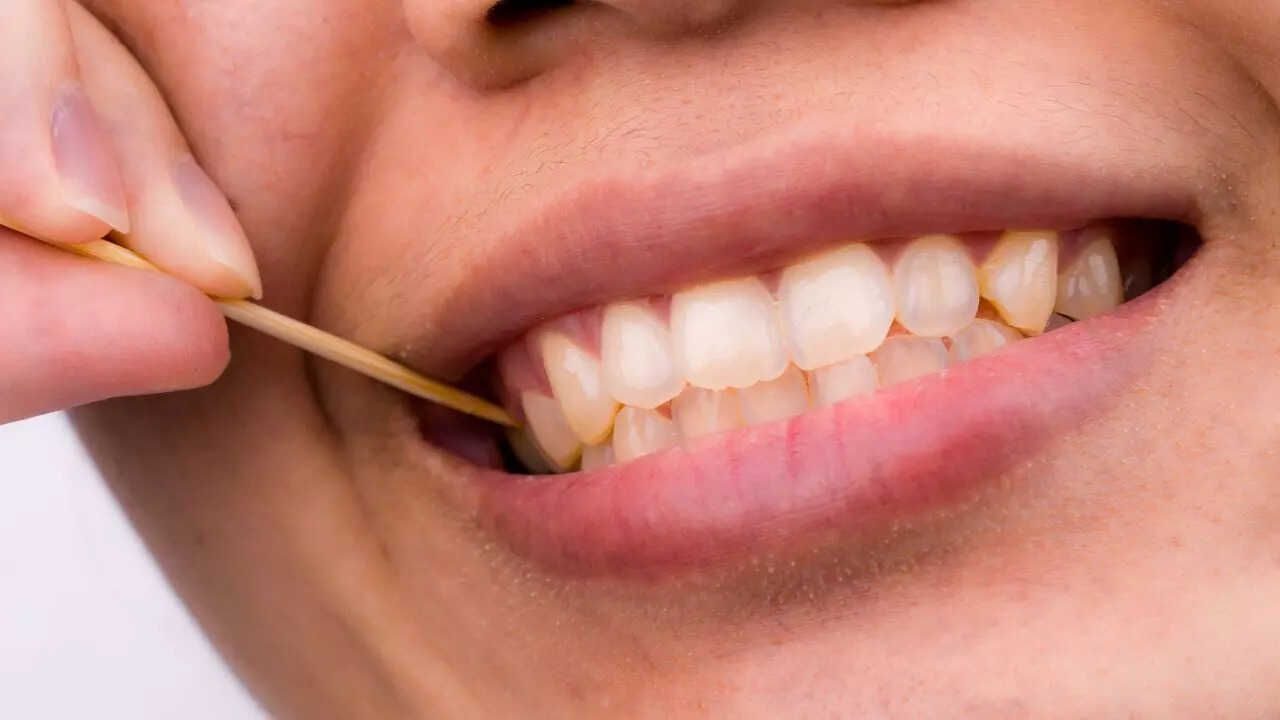
Some of the most damaging forces on teeth come from small habits that feel harmless in the moment. Nail biting, chewing ice, or using teeth to open packages place sharp stress on enamel. Small cracks and chips can form, which then stain, trap plaque, and spread. Over time, that may lead to sensitivity or larger fractures that require crowns. Reaching for scissors or a proper tool instead of teeth seems trivial, but it makes a real difference when repeated thousands of times over a lifetime.
Bruxism, or teeth grinding, deserves special attention. Many people clench their jaws during the day or grind at night. This can flatten chewing surfaces, cause microfractures, and strain the jaw joints. Morning headaches and tight facial muscles often reveal the pattern. Stress management, jaw relaxation exercises, and custom night guards help protect enamel from this constant pressure. Addressing grinding early prevents a lot of restorative work later.
Tobacco and vaping also affect oral health. Smoking limits blood flow to gums, slows healing, and increases the risk of gum disease, tooth loss, and oral cancer. Smokeless tobacco can cause gum recession around the placement site and create a higher risk for lesions. Vaping liquids may contain ingredients that dry the mouth, and a dry mouth cannot wash away acids and food debris effectively. Cutting back, seeking support to quit, and asking your dentist for resources all contribute to a healthier mouth and stronger teeth.
Building a Routine You Can Keep for Life
Strong teeth rely on habits that fit your actual life, not an ideal schedule that collapses after a busy week. Start with one or two core actions and build from there. For many people, this means thorough brushing twice a day with fluoride toothpaste and daily flossing. Once those feel automatic, you can refine with timing adjustments, mouthwash choices, or interdental brushes. The goal is a simple rhythm that you can follow even when tired or stressed.
Tracking progress can help. Some people like to use a brushing app or a timer to keep the full two minutes. Others prefer a simple checklist on the bathroom mirror to mark completed tasks. If you see missed days, treat that as useful feedback instead of a failure. Adjust your routine so it matches your energy levels and schedule. For example, if late nights lead to skipped flossing, move the full routine earlier in the evening when you still have more focus.
Finally, treat dental visits as a partnership, not just a repair service. Share your daily routine, your challenges, and any new symptoms such as sensitivity, bleeding gums, or jaw tightness. Ask for practical tips tailored to your mouth, your diet, and your health history. With that collaboration in place, your daily care and your professional care support each other. Over the years, this combination protects your teeth, keeps your bite comfortable, and helps you smile with confidence at every age.