Hyperpigmentation is a common skin condition where certain areas of the skin become darker than the surrounding skin. It happens when the skin produces too much melanin, the pigment responsible for skin color. While usually harmless, hyperpigmentation can affect one’s appearance and confidence. In this article, we will explore the different types of hyperpigmentation, its causes, and the treatment options available.
Types of Hyperpigmentation

There are different forms of hyperpigmentation, each with its own causes and characteristics. Sunspots, also known as age spots or liver spots, are small darkened areas that often appear on the skin’s surface due to prolonged sun exposure. These spots are most common on the face, hands, and shoulders. Sunspots usually develop as a result of the skin being exposed to ultraviolet (UV) rays over time. While they are generally harmless, they can be a sign of sun damage. For those seeking to address these spots, hyperpigmentation treatment in Singapore and other countries offers a variety of options to lighten and even out the skin tone.
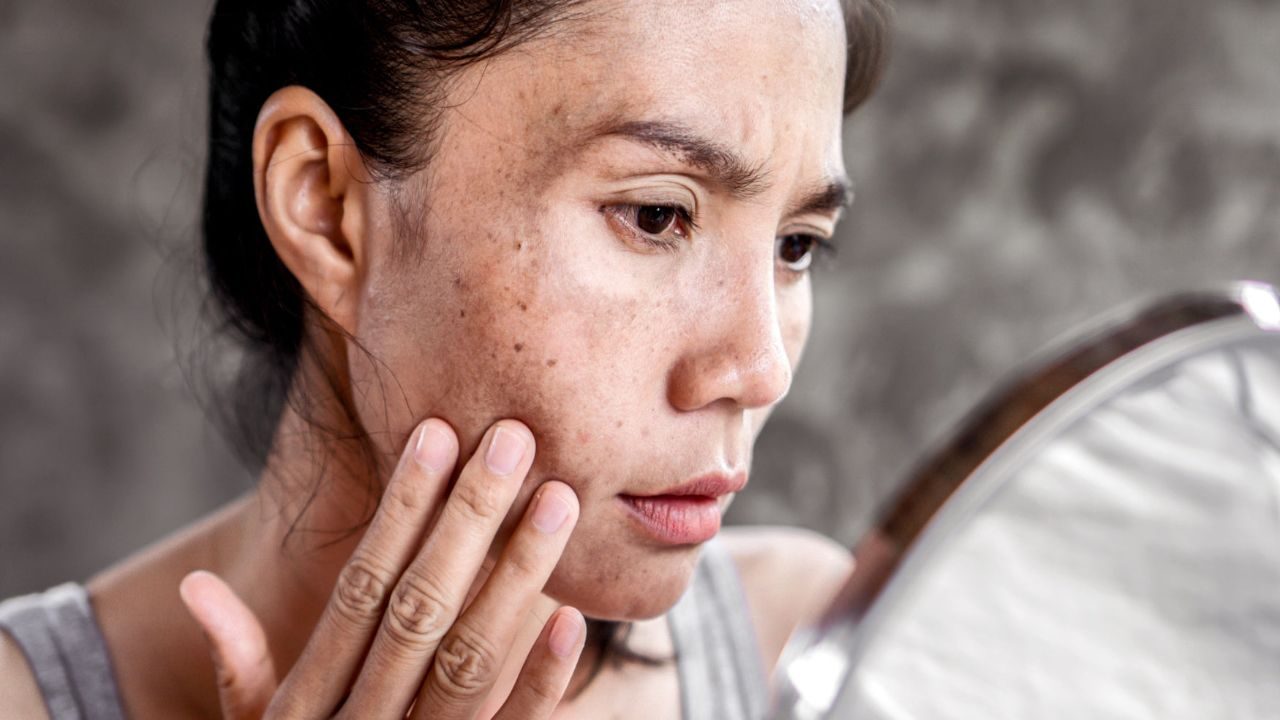
Melasma is a skin condition characterized by the appearance of brown or gray-brown patches, mainly on the face. These patches typically develop on areas like the cheeks, forehead, nose, and upper lip. The condition is more common in women, especially during pregnancy, where it is commonly referred to as the “mask of pregnancy.” Hormonal fluctuations, including those caused by birth control pills or hormone replacement therapy, can also trigger the development of melasma.
Post-inflammatory hyperpigmentation (PIH) occurs after the skin experiences some form of injury or inflammation, such as from acne, eczema, or cuts. The skin darkens as it heals, leaving behind dark spots or patches. PIH can happen to anyone but is more common in individuals with darker skin tones.
Causes of Hyperpigmentation
Several factors contribute to the development of hyperpigmentation.
Sun exposure is the leading cause. The ultraviolet rays from the sun stimulate melanocytes (the cells responsible for producing melanin), leading to the darkening of certain areas of the skin. The longer the exposure, the more likely sunspots will appear, especially without proper sun protection.
Hormonal changes also play a significant role. For example, during pregnancy or when using birth control pills, increased levels of estrogen and progesterone can cause melanin production to increase.
Skin inflammation is another common cause. When the skin goes through a period of trauma or inflammation, such as from acne or eczema, it can lead to post-inflammatory hyperpigmentation. Even after the initial condition resolves, dark spots may remain as a result of excess melanin production during healing.
Medications and chemicals can also cause hyperpigmentation. Certain drugs, such as birth control pills, antibiotics, and chemotherapy medications, can make the skin more prone to dark spots. Harsh chemicals found in some skincare products or treatments can also trigger pigmentation changes, especially if the skin is overexposed to them.
Treatment Options for Hyperpigmentation

Although hyperpigmentation often fades over time, there are several treatments available to speed up the process and help reduce its appearance.
Topical treatments are among the most common options. There are creams and serums available that help lighten dark spots. Ingredients like hydroquinone, retinoids, vitamin C, and alpha hydroxy acids (AHAs) are commonly used in these products. These ingredients work by either reducing melanin production or promoting exfoliation.
Sunscreen is the most important step in preventing further hyperpigmentation. UV rays can worsen existing dark spots and trigger the formation of new ones. To prevent this, it is essential to apply a broad-spectrum sunscreen with an SPF of 30 or higher daily, even on cloudy days.
Chemical peels are another option for treating hyperpigmentation. This procedure involves applying a chemical solution to the skin to exfoliate the outermost layers. As the skin sheds, dark spots and hyperpigmentation begin to fade, leaving a smoother and more even complexion. Chemical peels can be done by a dermatologist or esthetician.
Laser treatments offer a more advanced solution. Lasers use concentrated light to target excess pigment in the skin, breaking it down and allowing the body to absorb it. Fractional lasers, such as the Fraxel laser, are particularly effective for deeper pigmentation problems, including sunspots and melasma.
Natural remedies such as aloe vera, turmeric, and licorice extract are popular choices for those seeking a gentler, at-home approach. While these remedies may not work as quickly or as effectively as medical treatments, they can help lighten dark spots over time with consistent use.
Hyperpigmentation is a common skin condition, but it doesn’t have to be a permanent issue. By understanding the types, causes, and available treatments, you can take steps to address and manage it effectively. Whether through topical products, professional treatments, or daily sun protection, options abound to reduce dark spots and restore an even skin tone. If you are concerned about hyperpigmentation or if your treatment is not working as expected, consulting with a dermatologist is the best way to determine the right course of action for your skin.