As technology advances, eSIMs (embedded SIMs) are becoming more popular. They offer a convenient way to manage mobile connections without a physical SIM card. This digital SIM technology allows users to switch carriers, manage multiple numbers, and activate service remotely. But which devices support eSIM? This article explores the various gadgets compatible with this feature. For even more information, visit voyafly.com.
Smartphones
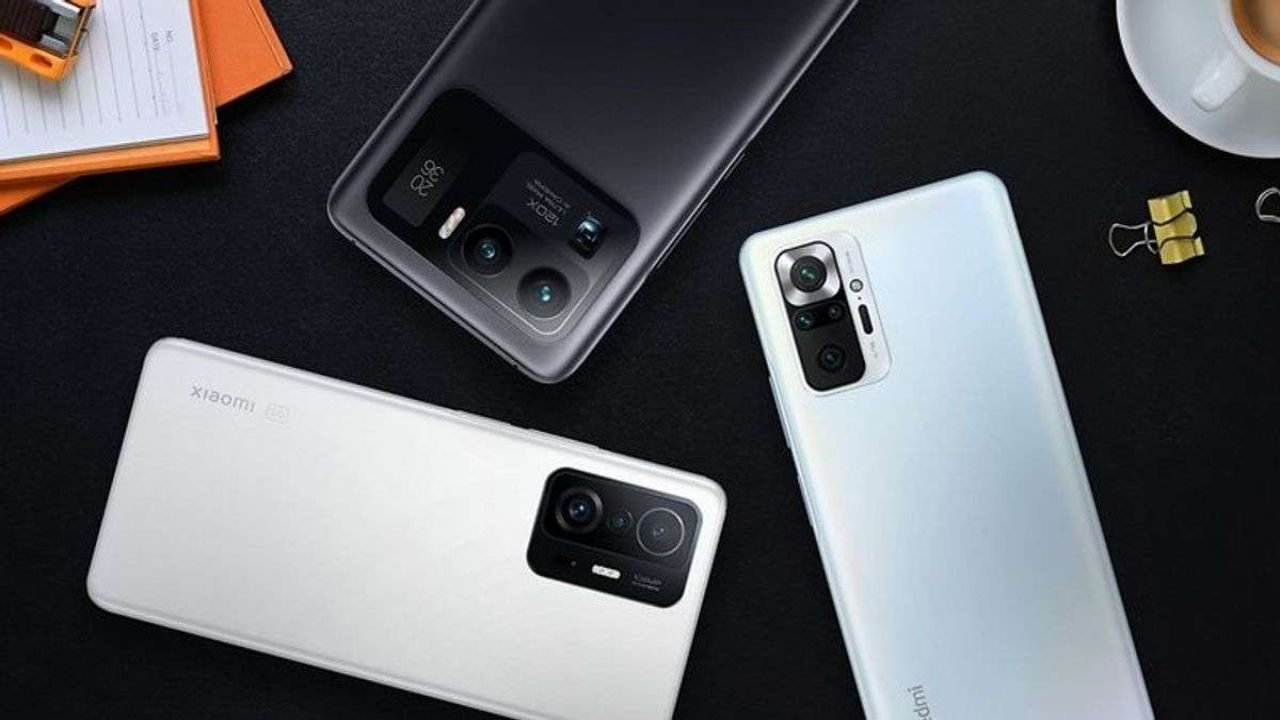
Smartphones are at the forefront of the eSIM revolution. Many of the latest models from leading manufacturers now come with eSIM capabilities. Apple’s iPhone XS, XS Max, and XR were among the first to introduce eSIM to a wide audience, and the feature is now standard in newer iPhone models. Android users also have options, with Google’s Pixel series, Samsung’s Galaxy S20, and later models supporting eSIM. These smartphones allow users to switch between networks with a few taps, making it ideal for frequent travelers or those who need multiple lines.
Tablets
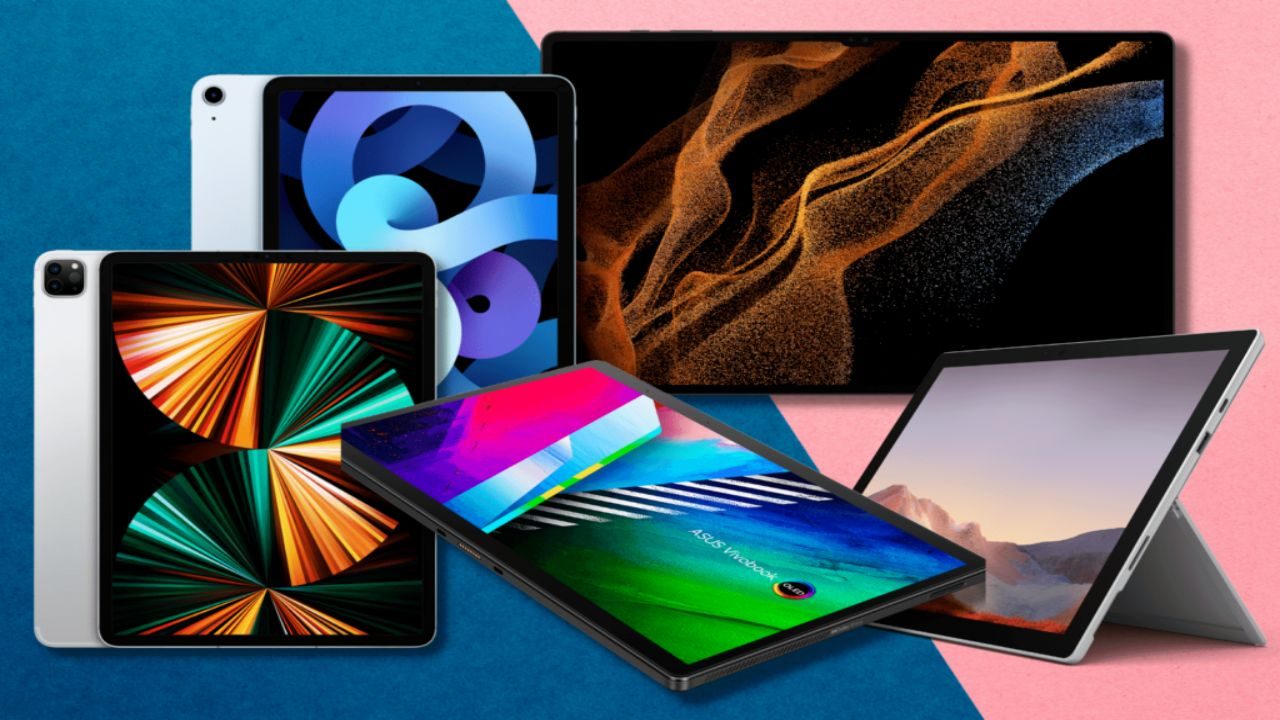
Tablets, like smartphones, are also embracing eSIM technology. Apple’s iPad Pro, iPad Air, and iPad mini models from 2018 onwards support eSIM, giving users the ability to access data plans on the go without needing a physical SIM. This is particularly useful for those who use their tablets for work or travel, as it offers greater flexibility in managing internet connections. Some Android tablets, such as the Samsung Galaxy Tab S7, have also incorporated eSIM.
Wearables
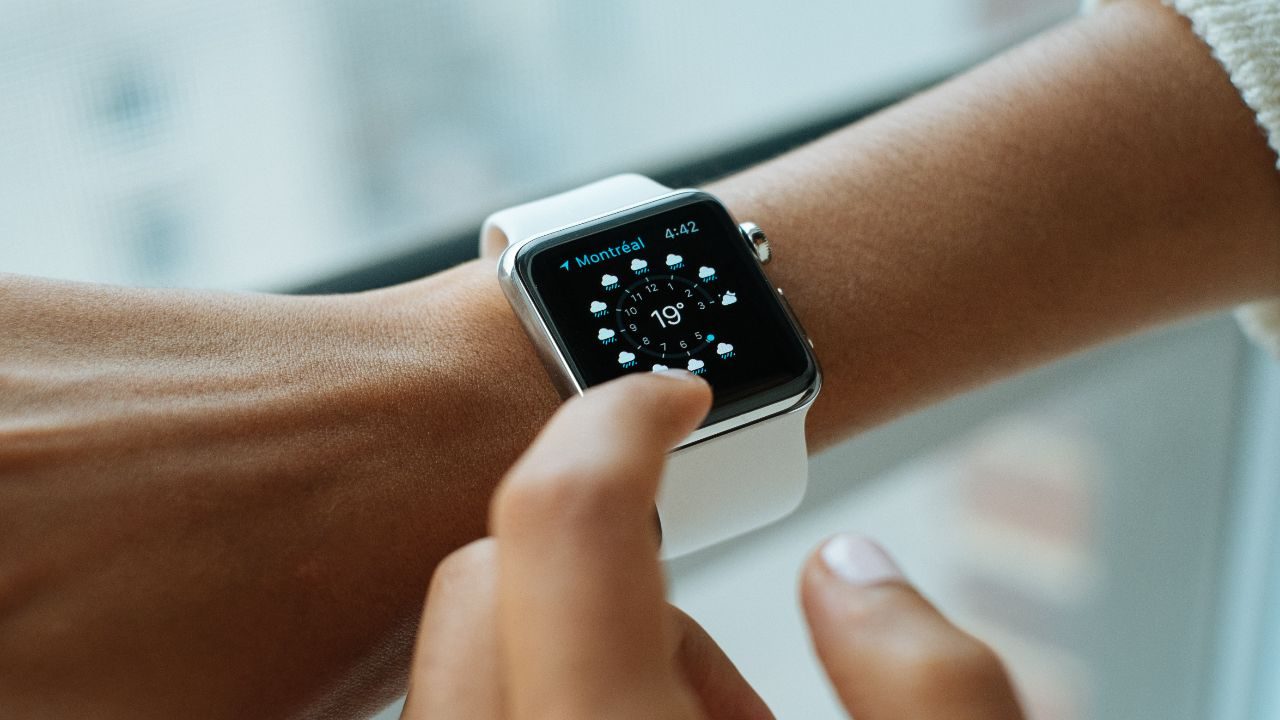
Smartwatches are another category where eSIM is making a significant impact. The Apple Watch Series 3 and later models have integrated eSIM technology, allowing users to make calls, send texts, and use data independently of their smartphones. Samsung’s Galaxy Watch series also supports eSIM, offering similar functionalities. This feature is especially beneficial for those who want to stay connected while leaving their phones behind during workouts or outdoor activities.
Laptops
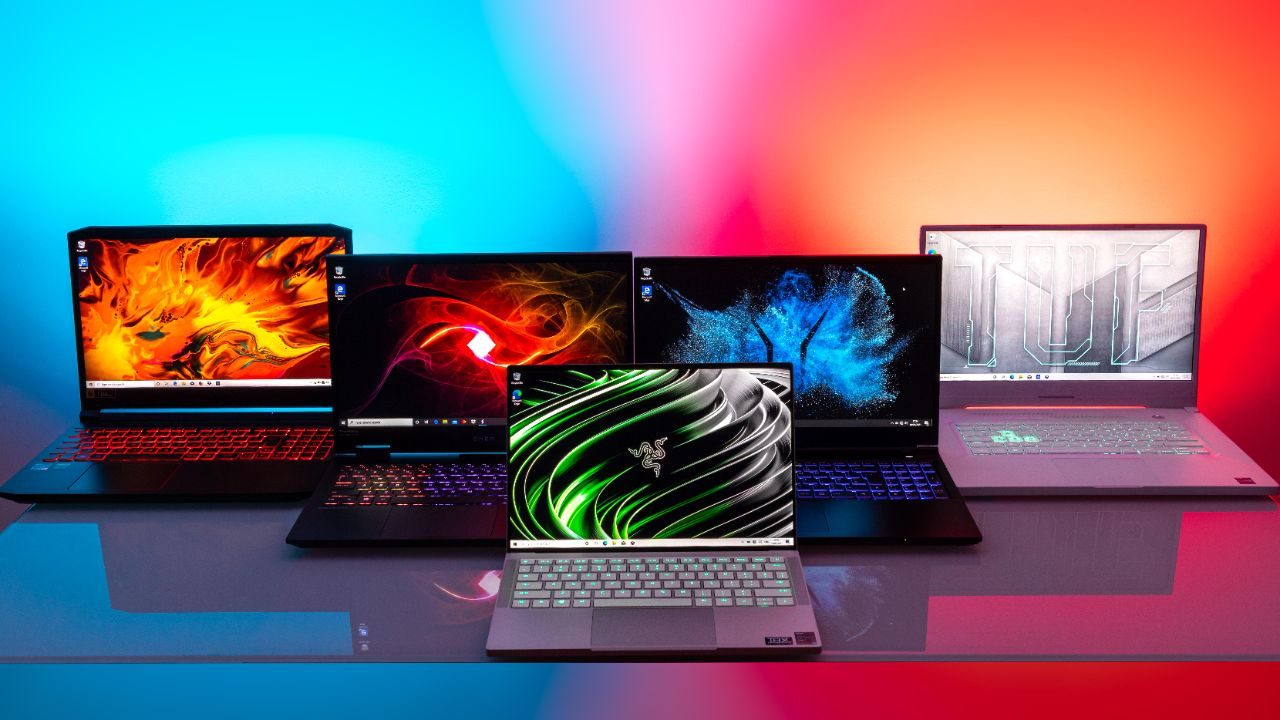
Laptops are gradually adopting eSIM, bringing the convenience of mobile connectivity to portable computing. Microsoft’s Surface Pro X and Surface Go 2 are among the first laptops to support eSIM, allowing users to connect to mobile networks without relying on Wi-Fi. Lenovo’s ThinkPad X1 also includes eSIM functionality, catering to professionals who need reliable internet access on the move. This integration of eSIM in laptops represents a step towards more flexible and accessible mobile computing.
IoT Devices
The Internet of Things (IoT) is another area where eSIM is set to play a crucial role. Devices such as smart home systems, connected cars, and even some drones are beginning to incorporate eSIM technology. This allows for seamless connectivity and easier management of devices across different networks. As the IoT ecosystem grows, we can expect eSIM to become a standard feature in many connected devices.
eSIM technology is steadily gaining ground across various devices, offering users greater convenience and flexibility. From smartphones and tablets to wearables, laptops, and IoT devices, eSIM is transforming how we connect to the world. As more manufacturers adopt this technology, the range of eSIM-compatible devices will continue to expand, making it an essential feature for modern gadgets.