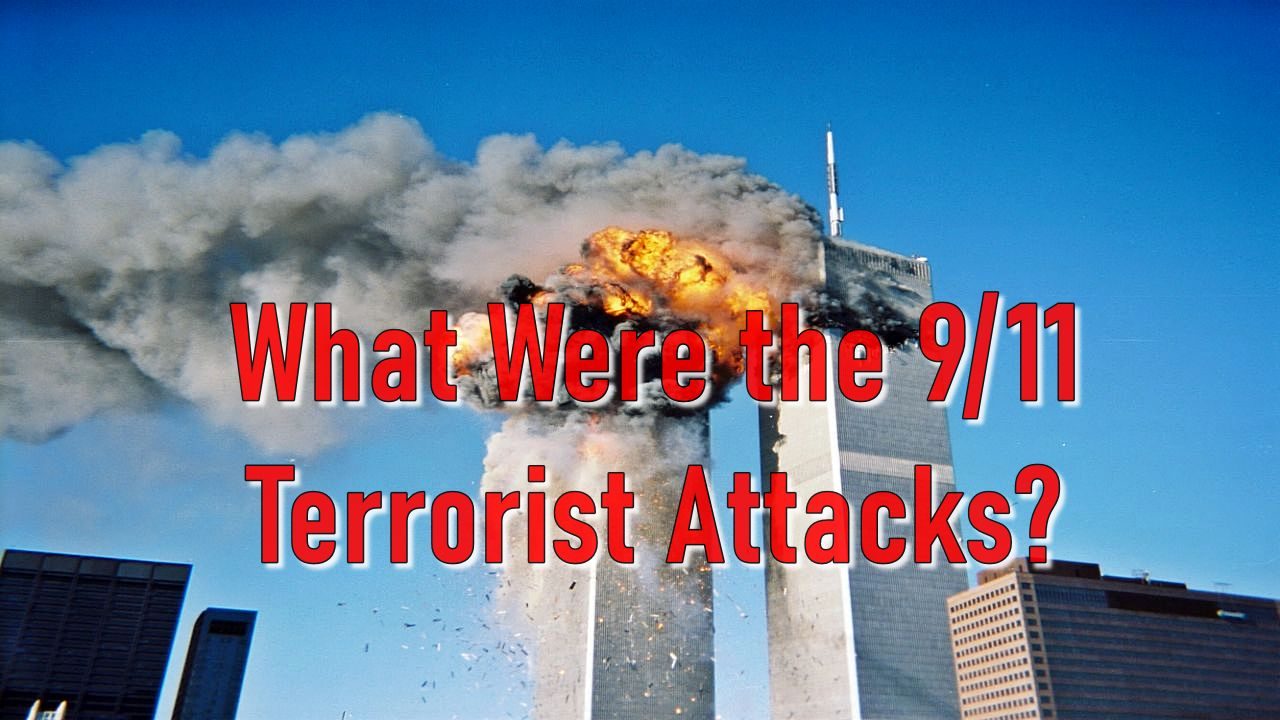
On September 11, 2001, the world witnessed one of the most devastating events in modern history. The 9/11 terrorist attacks, carried out by the extremist group al-Qaeda, forever changed the United States and the world. The attacks left nearly 3,000 people dead and altered the way nations approach security, terrorism, and foreign policy.
The Plan Behind the Attacks
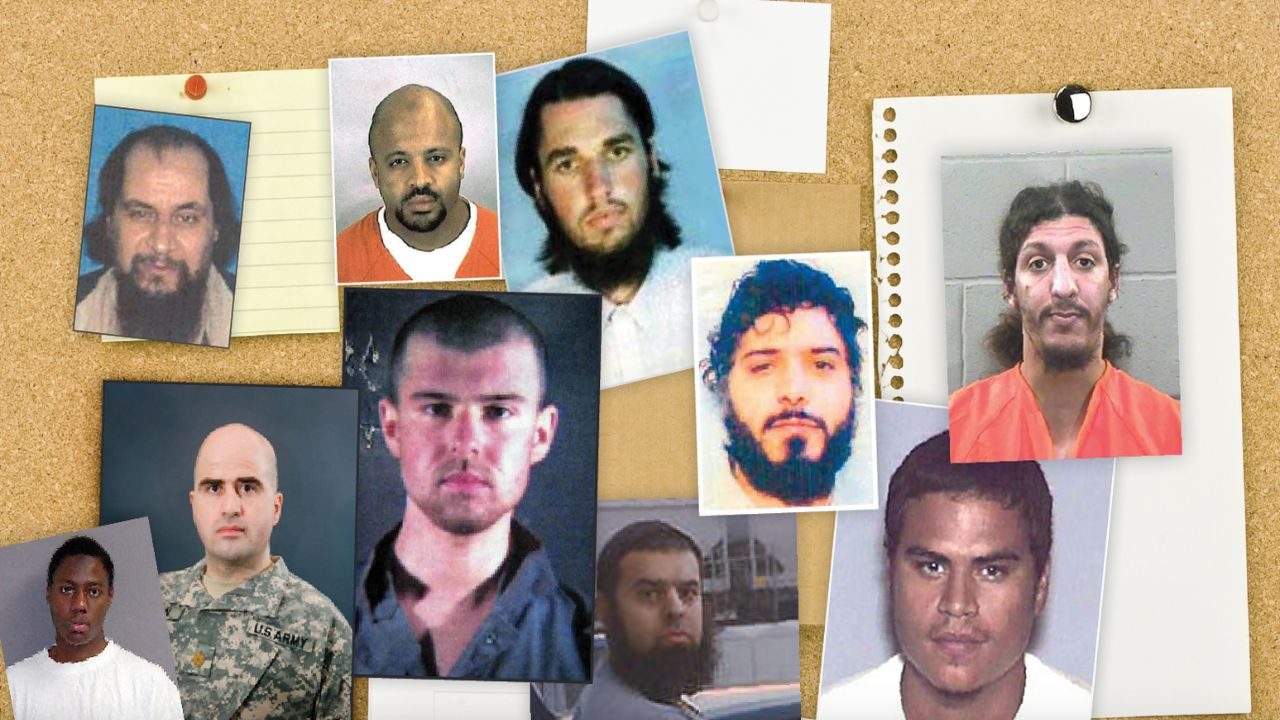
The mastermind behind the 9/11 attacks was Osama bin Laden, the leader of al-Qaeda, a militant Islamic group. Bin Laden and his associates developed a plan to carry out a series of coordinated attacks against iconic American targets. They chose to hijack commercial airplanes and turn them into weapons. This terrifying plot would target the heart of American power and culture, symbolized by the 9/11 American flag that would later represent resilience and unity in the face of tragedy.
The Attack Unfolds
The day began like any other, but by 8:46 a.m., the world would never be the same. American Airlines Flight 11, a Boeing 767, was the first plane hijacked. It crashed into the North Tower of the World Trade Center in New York City. United Airlines Flight 175 struck the South Tower 17 minutes later. The crashes caused huge explosions, and the fires quickly spread throughout the buildings.
As the situation escalated in New York, two additional flights were hijacked. At 9:37 a.m., American Airlines Flight 77 struck the Pentagon, the U.S. military’s center of operations. The final plane, United Airlines Flight 93, was heading towards Washington, D.C., when passengers fought back. Unfortunately, the plane crashed in a field in Pennsylvania at 10:03 a.m., killing everyone on board. It is believed the terrorists had planned to attack either the White House or the U.S. Capitol.
The Collapse of the Towers
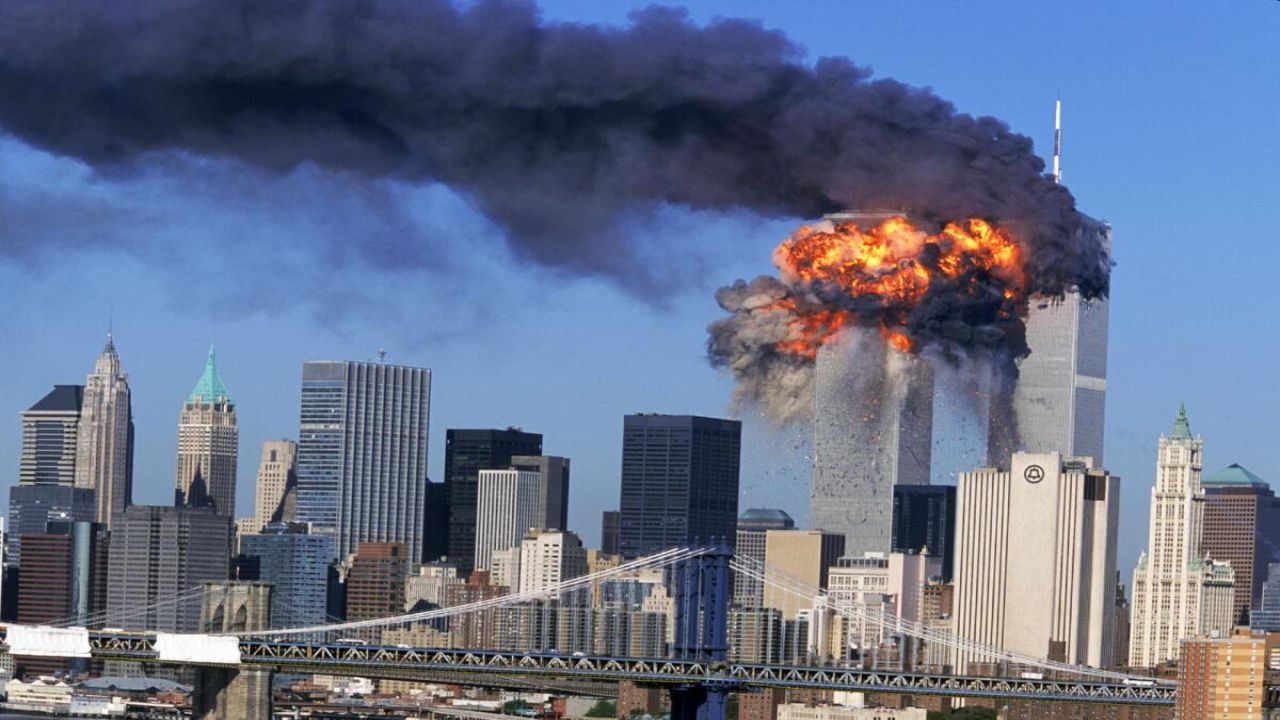
The damage from the crashes was catastrophic. The intense fires weakened the structural integrity of the World Trade Center towers. At 9:59 a.m., the South Tower collapsed. The North Tower followed at 10:28 a.m. These collapses caused a cloud of debris and dust to envelop the surrounding areas. Thousands of people in the vicinity were trapped or killed, and the skyline of New York was forever changed.
The Immediate Impact
As the dust settled, the world was left in shock. People in New York, Washington, and around the globe struggled to comprehend the scale of the attacks. Emergency workers rushed to the scene to help with rescue and recovery efforts while millions watched in disbelief on their television screens. The aftermath left a sense of vulnerability across the United States.
The U.S. government quickly labeled al-Qaeda as the responsible party and launched a global manhunt for its leaders. The attacks also led to significant changes in U.S. policies, particularly concerning national security.
The Aftermath
The attacks had far-reaching consequences. In the months after 9/11, the U.S. launched the War on Terror. The USA invaded Afghanistan to dismantle al-Qaeda and overthrow the Taliban regime that had supported them. The effects on aviation were immediate, with tighter security measures at airports, including the implementation of the Transportation Security Administration (TSA).
Additionally, the U.S. government passed the Patriot Act, a law aimed at enhancing law enforcement’s ability to combat terrorism. Many of these actions raised concerns about privacy and civil liberties but were seen as necessary steps in preventing further attacks.
Remembering 9/11
Every year, Americans and people around the world observe September 11 as a day of remembrance. Memorials and ceremonies are held in honor of the victims, survivors, and heroes of that tragic day. The National September 11 Memorial & Museum in New York City stands as a tribute to the nearly 3,000 lives lost. On this day, people pause to reflect on the attacks and the lasting impact they had on the world.
Legacy of the Attacks
The 9/11 terrorist attacks forever changed global politics, security measures, and the way we view terrorism. The world became more interconnected as nations came together to prevent future attacks. However, the scars of that day still linger, especially for those who lost loved ones or were personally affected.
The attacks were a painful reminder of the threat posed by terrorism and the need for vigilance and resilience. As time passes, the memory of 9/11 continues to shape how the world responds to global conflicts and the ongoing fight against terrorism.

