
When parents look for ways to help their children do better in school, they typically think about tutoring, homework routines, or cutting back on screen time. These strategies matter. But one factor that gets less attention is the child’s baseline physical health, the daily conditions of sleep, nutrition, and movement that either prime the brain for learning or quietly work against it. Addressing it doesn’t require much beyond small, consistent changes to daily routine.
A child who is consistently tired, skipping meals, or spending most of the day sitting is operating at a physiological disadvantage before they ever open a textbook. Research has shown that health behaviors like adequate sleep and regular physical activity are among the strongest predictors of academic engagement in elementary-school-aged children, according to a study published in PLOS ONE that tracked diet, activity, sleep, and screen time across two school years in Nova Scotia. The connection isn’t abstract: a brain that is well-rested, adequately fueled, and primed by regular movement processes information faster, holds focus longer, and makes better use of instruction time.
The Physical Foundations of Learning

The relationship between a child’s body and their capacity to learn runs deeper than most parents realize. Cognitive function (attention, working memory, processing speed) depends on physical systems that need to be in reasonable order before academic effort can pay off. A child can have a talented teacher and structured learning time, yet still struggle to absorb or apply new material if the underlying physiology isn’t supporting that effort.
There’s good evidence that physical wellness is one of the hidden factors behind what makes tutoring more effective, since a child who is rested, nourished, and getting regular movement arrives at any one-on-one session better equipped to engage, retain, and apply what they’re being taught. The brain is better prepared to encode and retrieve information when it isn’t running on a deficit. It’s a foundation issue, not a motivation one.
What this looks like in practice: a child who slept well arrives at a session with a longer attention span and can hold working memory through multistep problems. A child who hasn’t eaten since the night before will find it hard to stay with anything challenging, regardless of instruction quality. Physical readiness amplifies what instruction can accomplish.
How Sleep Shapes What Children Remember

Of all the physical factors that influence academic performance, sleep is probably the most underestimated, and the most commonly compromised. School-aged children need between nine and eleven hours a night. Most data suggests the average falls short, particularly for children in the 8 to 12 age range navigating later bedtimes, early school starts, or device use in the evening.
Sleep is when the brain consolidates learning. During deep sleep stages, the hippocampus replays and transfers what it absorbed during the day into longer-term storage. A child who stays up late before a test isn’t just tired the next morning; they’ve interrupted the biological process that was supposed to make the previous day’s studying permanent. The irony is that the extra study time replaced something more valuable than itself.
Parents often treat sleep as the thing that gets cut when schedules get busy, not as an input that directly affects how much of anything else sticks. Getting a child to nine or ten hours consistently is one of the highest-return investments a parent can make in academic outcomes, and it costs nothing beyond some earlier routine changes.
Nutrition and the Brain’s Daily Energy Demands
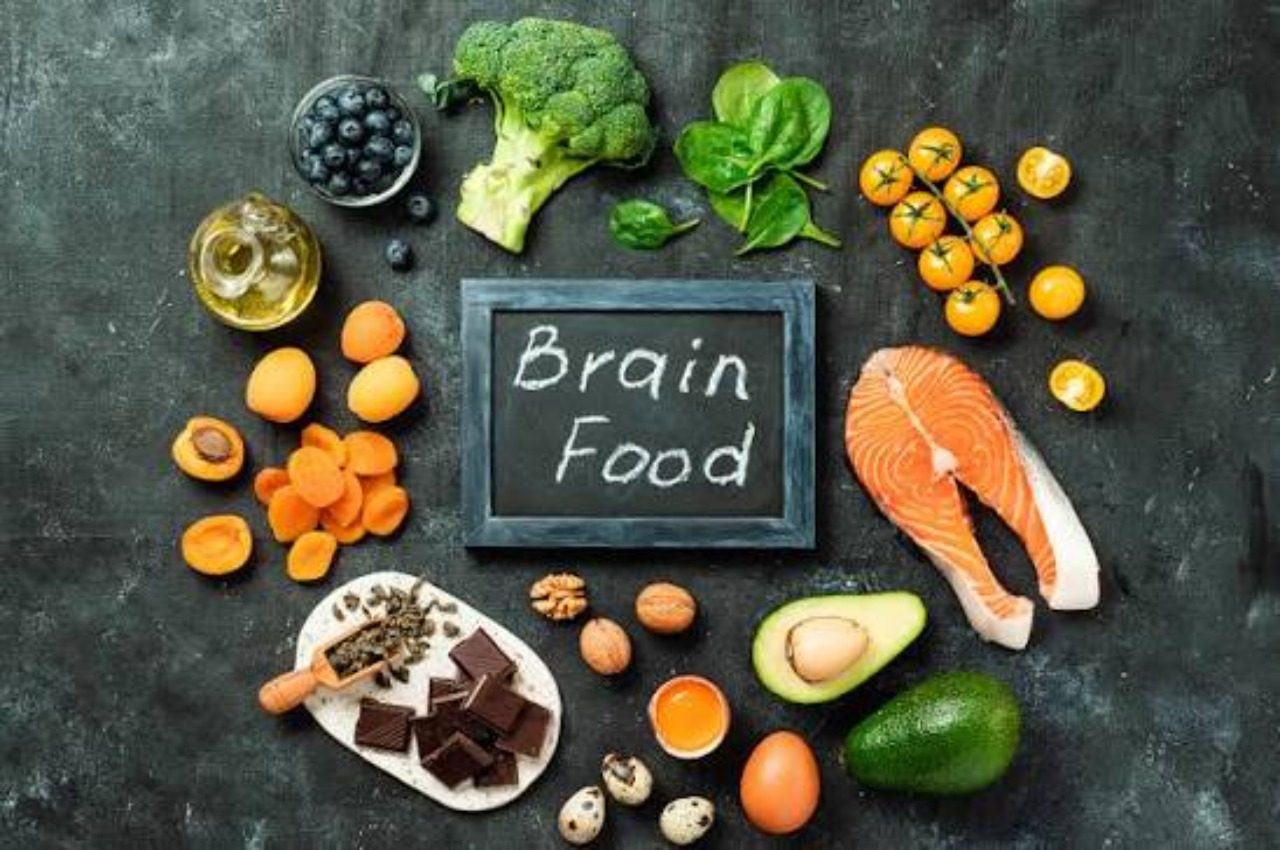
The brain uses roughly 20 percent of the body’s energy at rest, and that demand increases during sustained concentration. A child who skips breakfast or whose diet runs heavy on processed foods and light on protein isn’t adequately fueling that demand. The visible result is what teachers often describe: difficulty focusing, low tolerance for frustration, and erratic performance on tasks that should be within the child’s ability.
There’s a more specific mechanism in the morning. Blood glucose that drops sharply after a high-sugar breakfast produces a short burst of alertness followed by a crash, exactly the wrong profile for sustained classroom attention. A slower-burning option (protein, whole grains, fruit) keeps glucose steadier and cognition more even across the first half of the day.
This isn’t about optimizing a child’s diet to clinical standards. It’s about avoiding the common patterns that quietly undermine the school day: skipping meals, relying on sugary snacks between classes, and not drinking enough water. Small, consistent habits here produce a measurable difference in classroom behavior without requiring anything elaborate from parents.
Exercise, Attention, and the Developing Brain
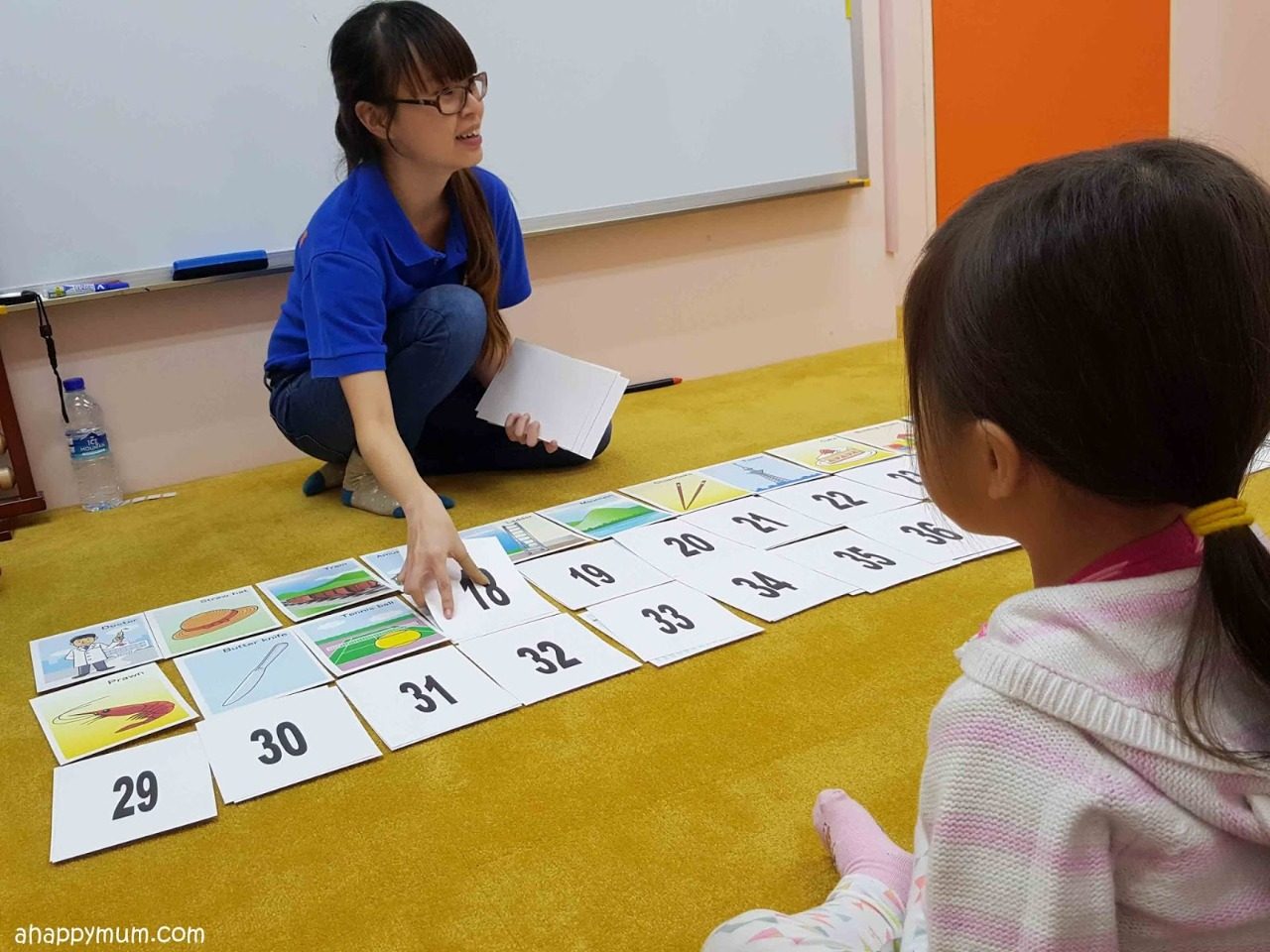
Regular physical activity changes the brain structurally, not just temporarily. Children who get consistent aerobic exercise show measurable differences in regions associated with attention and executive function, the same capacities that determine how well a child can focus during instruction and resist distraction. The CDC’s school physical activity guidance recommends at least 60 minutes of moderate-to-vigorous activity daily, citing benefits to academic engagement alongside the better-known fitness outcomes.
The acute effects of exercise on cognition are also documented. A short burst of physical activity before a cognitively demanding task consistently improves children’s performance: better response accuracy, longer attention span, improved working memory for multistep problems. Some schools have implemented short movement breaks before core subjects and reported the kind of improvement in focus that’s hard to attribute to anything else.
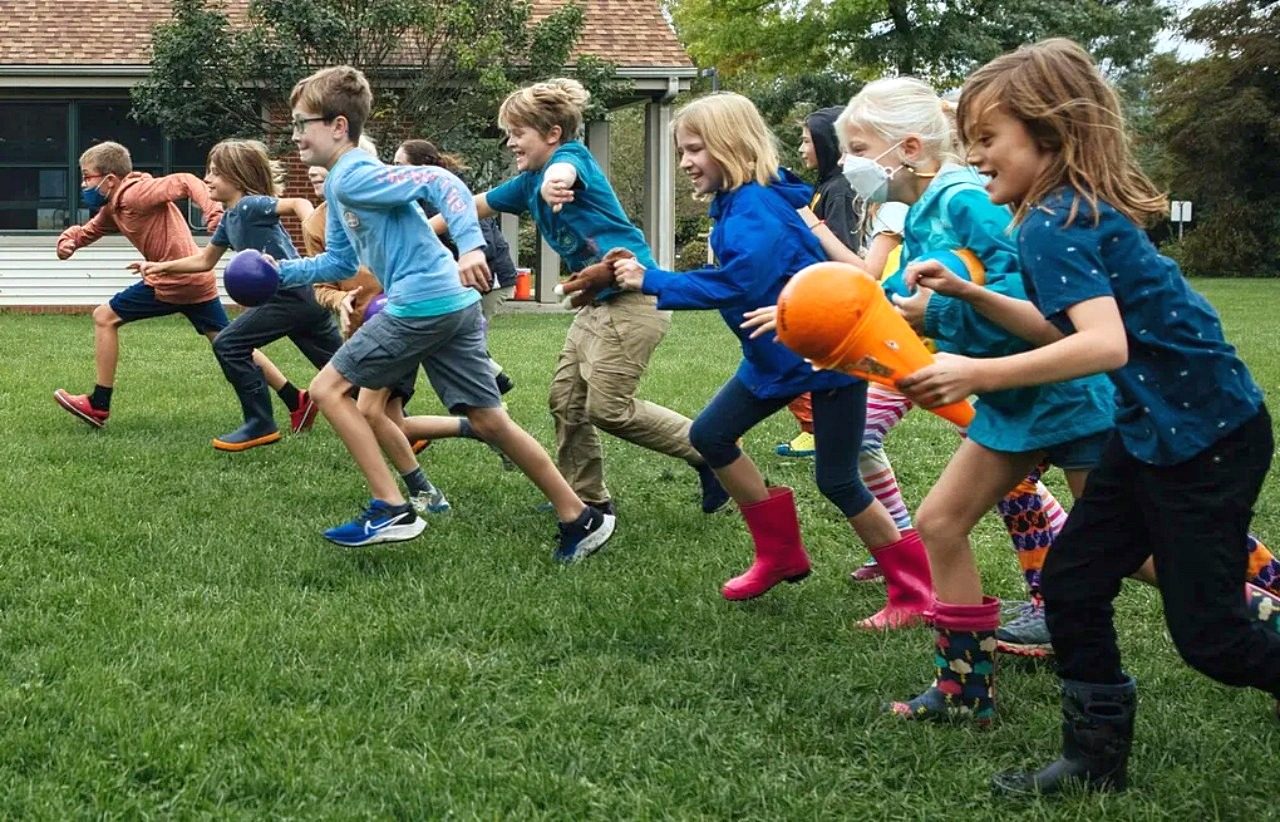
For parents, this doesn’t require enrolling a child in an elaborate sports schedule. A 20-minute walk, a bike ride, or unstructured outdoor time after school produces enough of an effect to be worth building in regularly. Physical activity isn’t just good for the body; it’s one of the more direct ways to prepare the brain for what school asks of it each day.
Practical Steps That Don’t Require Overhauling the Whole Day
Knowing that sleep, nutrition, and movement affect learning is one thing. Building habits around them while managing a family’s actual schedule is another. The changes that make the most difference tend to be structural rather than willpower-dependent, which means changing the environment so the healthier option becomes the easier one.
On sleep: consistent bedtimes work better than weekend catch-up attempts. Moving devices out of the bedroom or setting a firm cutoff an hour before bed removes the main obstacle for most children. Dim lighting in the hour before sleep helps too, since bright light delays the natural onset of tiredness.
On food: front-loading the day is more practical than it sounds. A protein-containing breakfast that takes five minutes (eggs, yogurt, peanut butter on toast) does more for morning cognition than anything consumed mid-afternoon. Keeping fruit and nuts accessible on the counter instead of packaged snacks shifts default choices without requiring much monitoring.
On movement: the key variable is friction. Children who have easy access to physical space and aren’t waiting for a scheduled sport will generally find ways to move. Even unstructured outdoor time after school gets the job done if that option is genuinely available and not in competition with a screen.
__________________________________________________